Narrowfruit Horned Beaksedge: A Hidden Gem for Wetland Gardens
If you’re looking to create an authentic wetland garden or restore a boggy area on your property, let me introduce you to a little-known native treasure: narrowfruit horned beaksedge (Rhynchospora inundata). This unassuming perennial sedge might not win any beauty contests, but it plays a crucial role in wetland ecosystems and deserves a spot in specialized native gardens.
What Is Narrowfruit Horned Beaksedge?
Narrowfruit horned beaksedge is a grass-like perennial plant that belongs to the sedge family (Cyperaceae). Don’t let the intimidating name fool you – this is simply a specialized wetland plant that has adapted to thrive in consistently wet conditions. As a native species, it has been quietly supporting wetland ecosystems across much of the eastern and southern United States for thousands of years.
Where Does It Grow Naturally?
This sedge calls home to a impressive range of states, including Alabama, Delaware, Florida, Georgia, Louisiana, Maryland, Massachusetts, Mississippi, New Jersey, New York, North Carolina, Rhode Island, South Carolina, Texas, and Virginia. You’ll find it naturally occurring in coastal plains, bogs, and other wetland areas throughout these regions.
- Species observed
- No observations
A Word of Caution: Rarity Status
Before you rush out to find this plant, there’s something important you should know. In New Jersey, narrowfruit horned beaksedge has a rarity status of Listed Pinelands, Highlands Listed, S2, which means it’s considered imperiled in that state. If you’re interested in growing this species, please ensure you source it responsibly from reputable native plant nurseries or seed suppliers – never collect from wild populations.
Why Grow Narrowfruit Horned Beaksedge?
While this sedge won’t provide the showy blooms of a wildflower, it offers unique benefits for the right gardener:
- Perfect for wetland restoration projects
- Excellent choice for rain gardens and bioswales
- Supports authentic native plant communities
- Helps with erosion control in wet areas
- Low-maintenance once established
What Does It Look Like?
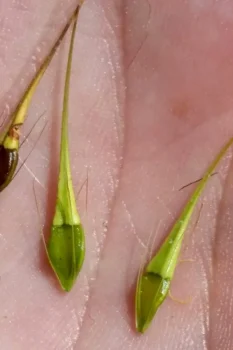
Narrowfruit horned beaksedge is definitely more about function than form. This small sedge produces narrow, grass-like leaves and inconspicuous brown flower clusters. It’s not going to be the star of your garden, but it provides important texture and authenticity to wetland plantings.
Growing Conditions and Care
This is definitely a specialist plant with very specific needs:
- Moisture: Requires consistently moist to wet soil – it’s classified as an obligate wetland plant across all regions where it grows
- Soil: Prefers acidic soils typical of bogs and wetlands
- Light: Thrives in full sun to partial shade
- Hardiness: Suitable for USDA zones 6-10
Best Uses in the Garden
Narrowfruit horned beaksedge isn’t for every garden, but it’s perfect for these specialized situations:
- Bog gardens and constructed wetlands
- Rain gardens and stormwater management areas
- Naturalistic plantings in consistently wet areas
- Wetland restoration projects
- Native plant gardens focused on authentic regional flora
Planting and Establishment Tips
Successfully growing this sedge requires attention to its specific needs:
- Plant in spring when soil is naturally moist
- Ensure the planting area stays consistently wet throughout the growing season
- Source plants or seeds from reputable native plant suppliers only
- Consider starting from seed if you have patience – sedges can be slow to establish
- Group with other wetland natives for best results
The Bottom Line
Narrowfruit horned beaksedge isn’t for everyone, but if you’re working on wetland restoration, creating authentic rain gardens, or simply want to support native plant diversity in wet areas of your property, this humble sedge deserves consideration. Just remember to source it responsibly and give it the consistently wet conditions it needs to thrive. While it may not provide dramatic visual impact, it offers the satisfaction of growing a truly specialized native plant that supports regional ecosystems.