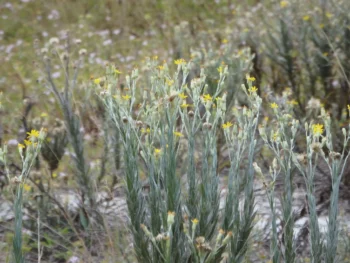
Narrowleaf Silkgrass: A Hidden Gem for Native Plant Gardens
If you’re looking for a low-maintenance native perennial that brings late-season color to your garden, narrowleaf silkgrass (Pityopsis graminifolia var. latifolia) might just be the perfect addition to your landscape. This charming member of the aster family offers bright yellow blooms when many other plants are winding down for the year.
What Makes Narrowleaf Silkgrass Special?
Narrowleaf silkgrass is a true American native, naturally occurring across 16 states in the southeastern and mid-Atlantic regions. You’ll find this hardy perennial growing wild from Texas to Ohio, and from Florida up to Maryland. Its native range speaks to its adaptability and resilience in various climate conditions.
- Species observed
- No observations
As a perennial forb, this plant returns year after year, forming clumps of narrow, grass-like leaves topped with clusters of cheerful yellow, daisy-like flowers. The blooms typically appear in late summer and fall, providing crucial nectar when many other flowering plants have finished their show.
A Note About Rarity
Before we dive into growing tips, it’s important to mention that narrowleaf silkgrass has a special conservation status in some areas. In New Jersey, it’s listed as Highlands Listed, S1.1, indicating it’s quite rare in that region. If you’re interested in adding this plant to your garden, make sure to source it responsibly from reputable native plant nurseries rather than collecting from wild populations.
Garden Appeal and Design Uses
What makes narrowleaf silkgrass particularly appealing is its dual personality. For most of the growing season, it presents as an unassuming clump of narrow, silvery-green foliage that blends beautifully with ornamental grasses and other perennials. Then, come late summer, it transforms into a golden beacon of color.
This plant works wonderfully in:
- Native plant gardens and prairie restorations
- Wildlife-friendly landscapes
- Drought-tolerant garden designs
- Natural or informal garden areas
- As a ground cover in sunny locations
Pollinator and Wildlife Benefits
The late-season blooms of narrowleaf silkgrass are particularly valuable to pollinators preparing for winter. Butterflies, bees, and other beneficial insects appreciate the nectar source when few other options remain available. This timing makes it an essential component of any pollinator-supporting garden.
Growing Conditions and Care
One of the best things about narrowleaf silkgrass is how easy it is to grow once you understand its preferences. This plant thrives in USDA hardiness zones 6 through 9, making it suitable for much of the continental United States.
Here’s what this adaptable native needs to flourish:
- Sunlight: Full sun to partial shade (at least 6 hours of direct sunlight for best flowering)
- Soil: Well-drained soils, particularly sandy types; avoids wet or waterlogged conditions
- Water: Drought tolerant once established; requires minimal supplemental watering
- Maintenance: Very low maintenance; may benefit from division every 3-4 years
Planting and Establishment Tips
Spring is the ideal time to plant narrowleaf silkgrass, giving it a full growing season to establish before winter. Choose a sunny location with good drainage – this plant definitely doesn’t appreciate wet feet.
Space plants about 12-18 inches apart, as they will gradually spread to form small colonies through underground rhizomes. Don’t worry – this spreading habit is gentle and manageable, not aggressive like some other perennials.
Water regularly during the first growing season to help establish a strong root system, then step back and let nature take its course. Once established, this drought-tolerant native will thrive with minimal intervention.
Is Narrowleaf Silkgrass Right for Your Garden?
This native perennial is perfect for gardeners who want to support local ecosystems while enjoying beautiful, low-maintenance plants. Its late-season blooms, drought tolerance, and wildlife value make it an excellent choice for sustainable landscapes.
Consider adding narrowleaf silkgrass to your garden if you:
- Want to support native pollinators and wildlife
- Prefer low-maintenance, drought-tolerant plants
- Enjoy extending your garden’s bloom season into fall
- Are creating or expanding a native plant garden
- Have sunny, well-drained areas that need groundcover
Remember to source your plants responsibly, especially given this species’ rarity in some regions. By choosing narrowleaf silkgrass, you’re not just adding beauty to your landscape – you’re also supporting the preservation of our native plant heritage and the wildlife that depends on it.