Native Caper: A Rare Hawaiian Treasure for Your Garden
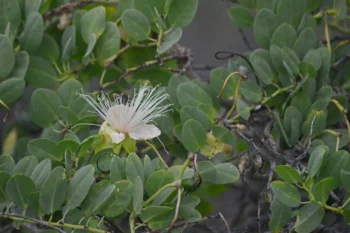
Meet the native caper (Capparis sandwichiana), also known by its beautiful Hawaiian names maiapilo or pua pilo. This remarkable shrub is more than just another pretty plant – it’s a living piece of Hawaiian natural heritage that deserves a special place in our hearts and gardens.
A True Hawaiian Native
The native caper is endemic to the Hawaiian Islands, meaning it exists nowhere else on Earth naturally. You’ll find this special plant growing wild in Hawaii, with populations also present in Guam and other U.S. Pacific territories. This perennial shrub has adapted perfectly to island life, making it an authentic choice for anyone wanting to create a genuine Hawaiian landscape.
- Species observed
- No observations
Why This Plant Needs Your Help
Here’s something important every gardener should know: the native caper has a Global Conservation Status of S2, which means it’s imperiled. With typically only 6 to 20 occurrences remaining and just 1,000 to 3,000 individual plants left in the wild, this species is fighting for survival. By growing it responsibly in your garden, you’re not just adding beauty – you’re participating in conservation!
Important: If you decide to grow native caper, please only source plants or seeds from reputable native plant nurseries that use ethical collection practices. Never collect from wild populations.
What Makes Native Caper Special
This slow-growing shrub is quite the character! Here’s what you can expect:
- Size: Reaches about 20 feet tall at maturity (15 feet in 20 years), with a multi-stemmed growth form
- Flowers: Delicate white blooms that add subtle elegance (though not particularly showy)
- Fruit: Eye-catching orange fruits that provide seasonal interest
- Foliage: Dense, coarse-textured leaves that stay green year-round
- Growth pattern: Active growth throughout the year in suitable climates
Perfect Garden Scenarios
Native caper shines in specific garden settings:
- Coastal gardens: Its high salt tolerance makes it perfect for oceanfront properties
- Native Hawaiian landscapes: Essential for authentic indigenous plantings
- Drought-tolerant gardens: Medium drought tolerance means less watering once established
- Naturalistic designs: Creates that wild, untamed island look
Growing Conditions That Make It Happy
Native caper is surprisingly specific about its needs:
- Climate: USDA zones 10-12 only (needs 365+ frost-free days)
- Temperature: Minimum 40°F – definitely not for cold climates!
- Sunlight: Intermediate shade tolerance, so partial sun works well
- Soil pH: Adaptable to pH 5.0-8.0
- Rainfall: Thrives with 32-200 inches annually
- Drainage: Needs well-draining soil (root depth minimum 24 inches)
Planting and Care Tips
Getting your native caper established requires patience but isn’t overly complicated:
- Propagation: Can be grown from seeds or cuttings
- Spacing: Plant 320-1,280 per acre (give each plant plenty of room)
- Establishment: Water regularly the first year, then reduce as drought tolerance develops
- Pruning: Low hedge tolerance, so minimal pruning is best
- Patience required: Remember, this is a slow grower with a relatively short lifespan
Supporting Native Ecosystems
While specific pollinator and wildlife benefits aren’t well-documented, native plants like the native caper typically support indigenous insects, birds, and other wildlife that co-evolved with them. By choosing native species, you’re helping maintain the delicate web of relationships that keep Hawaiian ecosystems healthy.
The Bottom Line
Should you grow native caper? If you live in a warm, coastal area (zones 10-12) and want to support conservation while creating an authentic Hawaiian landscape, absolutely! Just remember to source responsibly and be patient with its slow growth. This isn’t a plant for impatient gardeners or cold climates, but for the right situation and the right gardener, it’s a meaningful addition that connects you to Hawaii’s unique natural heritage.
Every native caper planted with care is a small victory for conservation – and that’s something worth growing for!