Naupaka Kuahiwi: A Treasured Native Hawaiian Shrub for Your Garden
If you’re looking to add a touch of authentic Hawaiian beauty to your landscape while supporting native plant conservation, naupaka kuahiwi (Scaevola chamissoniana) deserves a spot on your planting list. This charming endemic shrub brings both cultural significance and natural beauty to gardens across the Hawaiian Islands.
What Makes Naupaka Kuahiwi Special?
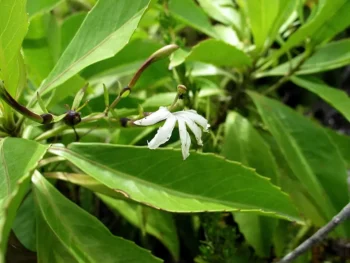
Naupaka kuahiwi is a perennial shrub that typically grows as a multi-stemmed woody plant, usually staying under 13-16 feet in height. What really sets this plant apart are its distinctive fan-shaped flowers that appear to be cut in half – a unique characteristic that has inspired beautiful Hawaiian legends about separated lovers.
The shrub produces small white to pale purple blooms along its branches, complemented by glossy green oval leaves that create an attractive, dense branching pattern. It’s this combination of unique flowers and lush foliage that makes naupaka kuahiwi such a standout in native Hawaiian landscapes.
Where Does Naupaka Kuahiwi Come From?
This beautiful shrub is endemic to the Hawaiian Islands, meaning it exists nowhere else in the world naturally. In its native habitat, you’ll find naupaka kuahiwi growing in montane dry and mesic forests, typically thriving at elevations between 300 and 2,100 meters. Currently, it’s found growing wild throughout Hawaii.
- Species observed
- No observations
A Conservation-Minded Choice
Here’s something important to know: naupaka kuahiwi has a Global Conservation Status of S3, which means it’s considered vulnerable. While this might sound concerning, it actually makes growing this plant even more meaningful. By choosing naupaka kuahiwi for your garden, you’re helping preserve a piece of Hawaii’s natural heritage – just make sure you source your plants responsibly from reputable native plant nurseries or conservation programs.
Perfect for Hawaiian Gardens
Naupaka kuahiwi shines in several garden settings:
- Native Hawaiian landscapes where it provides authentic local character
- Xeriscape gardens thanks to its drought tolerance once established
- Coastal gardens where it can handle wind and salt spray
- Cultural or ethnobotanical gardens celebrating Hawaiian plant traditions
- Wildlife gardens supporting native pollinators
Growing Naupaka Kuahiwi Successfully
The good news is that naupaka kuahiwi is relatively easy to grow if you can provide the right conditions. This shrub is only suitable for USDA hardiness zones 10-11, so it’s really best suited for tropical and subtropical climates like Hawaii’s.
For growing conditions, naupaka kuahiwi prefers:
- Well-draining soils (this is crucial!)
- Partial shade to full sun exposure
- Moderate to low water once established
- Protection from harsh winds, though it can tolerate coastal breezes
As a facultative wetland plant, naupaka kuahiwi can handle both wetland and non-wetland conditions, making it quite adaptable to different moisture levels in your garden.
Planting and Care Tips
When planting naupaka kuahiwi, start by preparing a well-draining planting site – soggy soil is this shrub’s enemy. Water regularly during the establishment period, but once your plant is settled in (usually after the first growing season), you can reduce watering significantly.
Light pruning helps maintain an attractive shape, and adding mulch around the base helps retain moisture and suppress weeds. The flowers attract native Hawaiian insects and some introduced pollinators, making it a great choice for supporting local ecosystem health.
Supporting Native Plant Conservation
By choosing naupaka kuahiwi for your landscape, you’re doing more than just adding a beautiful plant – you’re participating in the preservation of Hawaii’s unique botanical heritage. This vulnerable species benefits from cultivation in appropriate gardens, especially when grown from responsibly sourced material.
Whether you’re creating a traditional Hawaiian garden or simply want to support native plant conservation, naupaka kuahiwi offers beauty, cultural significance, and environmental benefits all in one charming package. Just remember to source your plants ethically and provide the well-draining conditions this special shrub needs to thrive.