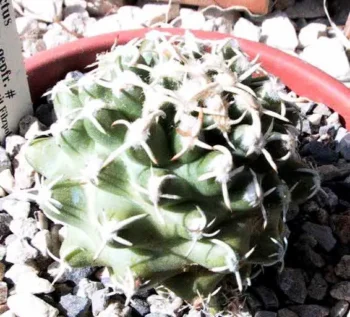
Navajo Pincushion Cactus: A Rare Desert Gem Worth Protecting
Meet the Navajo pincushion cactus (Pediocactus peeblesianus), a small but mighty desert dweller that’s as rare as it is beautiful. Also known simply as Navajo cactus, this little spherical wonder might just be one of the most endangered cacti you’ve never heard of. If you’re drawn to unique desert plants and conservation gardening, this remarkable species deserves your attention – though it comes with some important considerations.
A True Native with a Limited Range
The Navajo pincushion cactus is a proud native of the American Southwest, but its home range is incredibly specific and small. This perennial cactus grows naturally only in Arizona, primarily on Navajo Nation lands in the Painted Desert region. It’s a true endemic species, meaning it exists nowhere else on Earth naturally.
- Species observed
- No observations
Why This Little Cactus Matters (And Why You Should Care)
Here’s where things get serious: the Navajo pincushion cactus is listed as Endangered with a Global Conservation Status of S2, meaning it’s imperiled due to extreme rarity. With typically only 6 to 20 occurrences and fewer than 1,000 to 3,000 individuals remaining in the wild, this species is hanging by a thread.
If you’re considering adding this cactus to your collection, please ensure any plants are responsibly sourced from reputable nurseries that propagate from legally obtained specimens – never from wild collection.
What Makes It Special in the Garden
Despite its rarity concerns, the Navajo pincushion cactus offers unique appeal for specialized gardens:
- Compact, spherical form perfect for rock gardens and cactus collections
- Beautiful pink to purple flowers that appear in spring
- Attracts native desert pollinators like specialized bees
- Excellent conversation starter about desert conservation
- Ideal for xeriscaping and water-wise landscapes
Growing Conditions and Care
This desert native is adapted to harsh conditions, making it relatively low-maintenance once established – if you can provide what it needs:
Climate: Hardy in USDA zones 7-10, but requires protection from excessive moisture and humidity.
Soil: Absolutely crucial – well-draining, sandy or gravelly soil is non-negotiable. This cactus will quickly rot in standard garden soil or anything that holds moisture.
Light: Full sun exposure mimics its native desert habitat.
Water: Minimal watering once established. During growing season, water sparingly only when soil is completely dry. Reduce watering significantly in winter.
Best Garden Settings
The Navajo pincushion cactus shines in:
- Specialized cactus and succulent gardens
- Rock gardens with excellent drainage
- Desert-themed landscapes
- Conservation gardens focused on rare species
- Container gardens (with proper drainage)
The Conservation Connection
Growing rare plants like the Navajo pincushion cactus can be part of conservation efforts, but only when done responsibly. By supporting nurseries that legally propagate endangered species, you’re contributing to conservation through cultivation – a practice that can help preserve genetic diversity outside of natural habitats.
Should You Grow It?
The Navajo pincushion cactus isn’t for every gardener, but it might be perfect if you:
- Have experience with desert plants and understand their specific needs
- Can provide excellent drainage and appropriate growing conditions
- Want to participate in conservation through responsible cultivation
- Appreciate rare and unique plant species
- Have access to legally propagated specimens
Remember, this isn’t a plant to impulse-buy or treat casually. Its endangered status means every individual matters, and successful cultivation requires dedication to proper growing conditions and responsible sourcing.
Whether you choose to grow this rare beauty or simply appreciate it from afar, the Navajo pincushion cactus represents the incredible diversity and fragility of our native plant heritage – a reminder that some of nature’s smallest treasures need our biggest conservation efforts.