Needleleaf Rosette Grass: A Specialized Native for Ecological Gardens
If you’re looking for a showy ornamental grass to anchor your landscape design, needleleaf rosette grass (Dichanthelium aciculare) probably isn’t your plant. But if you’re passionate about native ecosystems and creating habitat for wildlife, this unassuming little grass might just earn a spot in your garden.
What Is Needleleaf Rosette Grass?
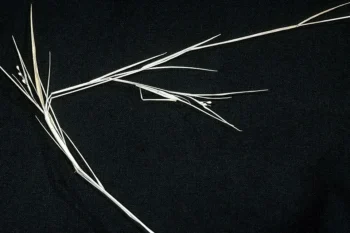
Needleleaf rosette grass is a native perennial grass that forms small bunches and grows to about 1.6 feet tall. True to its name, this grass produces narrow, needle-like leaves with a gray-green color and fine texture. During summer, it produces inconspicuous green flowers that won’t win any beauty contests but serve an important ecological function.
You might also encounter this plant under several scientific synonyms, including Panicum aciculare or Panicum angustifolium, as botanists have reclassified it over the years.
Where Does It Grow Naturally?
This native grass has an impressive range across the eastern United States, growing naturally in 22 states plus Puerto Rico. You’ll find it from New York down to Florida and as far west as Texas, with populations scattered through the Southeast, Mid-Atlantic, and parts of the Midwest.
- Species observed
- No observations
A Conservation Concern
Here’s something important to know: needleleaf rosette grass is considered endangered in New Jersey, where it’s listed as a Pinelands and Highlands species of concern. If you live in New Jersey or other areas where it might be rare, please source plants or seeds responsibly from reputable native plant suppliers rather than collecting from wild populations.
Why Grow Needleleaf Rosette Grass?
Let’s be honest—this isn’t a plant you’ll choose for dramatic curb appeal. Its flowers are barely noticeable, it doesn’t put on a fall color show, and it has a relatively short lifespan for a perennial. So why would you want it?
Wildlife Value
While needleleaf rosette grass provides only modest benefits to large animals (2-5% of their diet), it’s more valuable for terrestrial birds, comprising 10-25% of their diet and providing occasional cover. Every native plant contributes to the complex web of relationships that support local ecosystems.
Specialized Growing Conditions
This grass thrives in conditions that challenge many other plants:
- Acidic soils (pH 4.0-6.5) where many plants struggle
- Poor, low-fertility soils
- Drought conditions once established
- Sandy or well-draining soils
Growing Conditions and Care
Needleleaf rosette grass is surprisingly particular about its growing conditions, which explains why it’s not commonly cultivated:
Soil Requirements
- Acidic soil (pH 4.0-6.5) is essential
- Coarse to medium-textured, well-draining soils
- Low fertility requirements (don’t over-fertilize!)
- Avoid heavy clay or fine-textured soils
Climate and Hardiness
This grass grows in USDA hardiness zones 6-10 and needs at least 200 frost-free days. It requires 30-60 inches of annual precipitation and can tolerate minimum temperatures down to 2°F.
Light and Water
- Intermediate shade tolerance (can handle some shade)
- High drought tolerance once established
- Low moisture requirements
- Facultative upland status means it usually prefers non-wetland conditions
Planting and Propagation
Unfortunately, needleleaf rosette grass has no known commercial sources, so you’ll need to grow it from seed if you can find a reputable supplier. Here’s what you need to know:
- Propagate by seed only (doesn’t spread vegetatively)
- Seeds are tiny—about 381,000 per pound!
- No cold stratification required
- Expect slow seed spread and medium seedling vigor
- Seeds are produced in low abundance during summer through fall
Garden Design and Landscape Use
Needleleaf rosette grass works best in specialized applications:
- Native plant gardens: Include it as part of a diverse native grass community
- Restoration projects: Particularly valuable for acidic, sandy site restoration
- Rain gardens: Its facultative upland status makes it suitable for the edges of rain gardens
- Wildlife habitat areas: Plant in naturalized areas specifically designed for birds
Is This Grass Right for Your Garden?
Needleleaf rosette grass is definitely a specialist plant. Choose it if you:
- Have acidic, sandy soil that challenges other plants
- Are creating habitat specifically for native birds
- Want to support rare native species (with responsible sourcing)
- Are working on ecological restoration projects
- Prioritize ecological function over ornamental appeal
Skip it if you want immediate visual impact, have alkaline soil, or are looking for a low-maintenance ornamental grass for general landscaping.
The Bottom Line
Needleleaf rosette grass may not win any beauty contests, but it represents the kind of specialized native plant that once formed the backbone of our regional ecosystems. In the right garden and the right conditions, it can play a small but meaningful role in supporting local wildlife and preserving our natural heritage. Just remember to source it responsibly and appreciate it for what it is—a humble but authentic piece of North American grassland ecology.