Nellie Cory Cactus: A Critically Endangered Texas Treasure
Meet the Nellie cory cactus (Escobaria minima), one of Texas’s most endangered native plants and a true botanical rarity. This tiny cactus might be small in stature, but it’s huge in conservation importance. Before you even think about adding one to your garden, there’s something crucial you need to know about this remarkable little succulent.
A Plant on the Brink
The Nellie cory cactus holds the sobering distinction of being critically imperiled, with a Global Conservation Status of S1. In plain English? This means there are typically fewer than 1,000 individual plants left in the wild, making it one of the rarest cacti in North America. It’s officially listed as Endangered in the United States, so any gardening decisions involving this species require serious consideration.
Where in the World
This native Texas species has an extremely limited range, found only in a small area of Starr County along the Rio Grande. Its entire natural habitat is incredibly restricted, which contributes significantly to its precarious conservation status.
- Species observed
- No observations
What Makes It Special
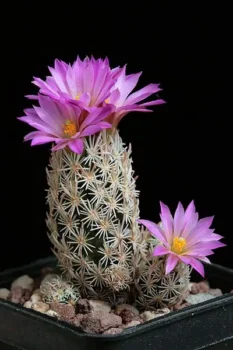
Don’t let its endangered status fool you into thinking the Nellie cory cactus isn’t beautiful. This perennial forms small, globular clusters that stay compact and low-growing. In spring, it produces stunning pink to magenta flowers that seem almost too large for such a tiny plant. The contrast between its prominent spines and delicate blooms creates a striking visual appeal that cactus enthusiasts find irresistible.
A Pollinator’s Friend
Despite its small size, this little cactus plays an important role in its desert ecosystem. Its bright flowers attract small native bees and other desert pollinators, providing nectar during the spring blooming season when desert resources can be scarce.
Growing Conditions: Expert Level Only
If you’re considering growing Nellie cory cactus, be prepared for a challenge. This plant is suited for USDA hardiness zones 9b through 11 and demands very specific conditions:
- Full sun exposure
- Extremely well-draining soil (think pure mineral mix)
- Minimal water – drought is this plant’s friend
- Protection from frost and winter moisture
- Excellent air circulation
The Responsible Approach
Here’s where we need to have a serious conversation. Given this plant’s critically endangered status, we strongly recommend that only experienced cactus growers with conservation goals should attempt to cultivate it. If you do decide to grow Nellie cory cactus, it’s absolutely essential that you source it responsibly from legitimate conservation programs or specialized nurseries that work with legally propagated material – never from wild collection.
Garden Role and Design
In the rare instances where it’s appropriately cultivated, Nellie cory cactus works best as a specimen plant in specialized cactus and succulent collections. It’s perfect for conservation gardens, rock gardens, or xerophytic landscapes where its unique status and beauty can be properly appreciated and protected.
The Bottom Line
The Nellie cory cactus represents something precious and irreplaceable in our native plant heritage. While its beauty and uniqueness might make it tempting for collectors, its critical conservation status means that growing it comes with significant responsibility. For most gardeners, supporting conservation efforts and appreciating this species in its natural habitat (when possible) or in botanical gardens might be the most appropriate way to connect with this remarkable little survivor.
If you’re drawn to small, native cacti for your garden, consider exploring other Texas native species that aren’t quite so precariously balanced on the edge of extinction. Your local native plant society can help you discover beautiful alternatives that will give you that desert garden look while supporting conservation in a more sustainable way.