Nelson’s Checkerbloom: A Rare Pacific Northwest Native Worth Protecting
If you’re passionate about native plants and conservation, Nelson’s checkerbloom might just become your new favorite perennial. This charming wildflower is more than just a pretty face – it’s a rare piece of Pacific Northwest natural heritage that deserves a special place in our gardens and hearts.
What Is Nelson’s Checkerbloom?
Nelson’s checkerbloom (Sidalcea nelsoniana) is a perennial forb – basically a soft-stemmed flowering plant that lacks woody tissue but comes back year after year. Don’t let the technical term fool you; this plant is as tough as it is beautiful, with deep roots that help it survive in challenging wet prairie conditions.
A Plant with a Story
Here’s where things get serious: Nelson’s checkerbloom is listed as Threatened in the United States, with a Global Conservation Status of S2S3. This means it’s genuinely rare and faces real challenges in the wild. Originally found in the wet prairies and meadows of Oregon and Washington, much of its natural habitat has been lost to development and agriculture.
- Species observed
- No observations
If you’re thinking about growing this beauty, that’s wonderful – but please make sure you source it responsibly from reputable native plant nurseries that propagate rather than wild-collect their stock.
Why You’ll Love This Plant
Nelson’s checkerbloom brings serious charm to any garden with its:
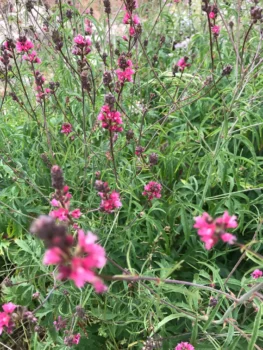
- Pink to rose-colored flowers arranged in eye-catching terminal spikes
- Attractive palmately lobed leaves that create nice texture
- Mid to late summer blooming period when many other natives are winding down
- Pollinator-friendly flowers that attract native bees and butterflies
- Ability to handle wet conditions that would drown other plants
Perfect Garden Situations
This plant is a natural fit for:
- Native Pacific Northwest gardens
- Rain gardens and bioswales
- Pollinator gardens
- Wet meadow restorations
- Conservation plantings
- Wildlife gardens
Growing Conditions
Nelson’s checkerbloom is surprisingly adaptable once you understand its preferences. In the wild, it thrives in wet prairies, so think moisture-loving when planning its spot in your garden.
Light: Full sun to partial shade (though it flowers best with good sun exposure)
Soil: Prefers moist to wet soils and can handle seasonal flooding – perfect for that soggy spot where other plants struggle
Hardiness: Suitable for USDA zones 7-9, making it perfect for much of the Pacific Northwest
Wetland status: Classified as Facultative in the Western Mountains, Valleys, and Coast region, meaning it can handle both wetland and non-wetland conditions
Planting and Care Tips
The good news? Once established, Nelson’s checkerbloom is relatively low-maintenance:
- When to plant: Spring is ideal for getting plants established
- Watering: Keep soil consistently moist, especially during the first growing season
- Fertilizing: Minimal fertilization needed – these plants are adapted to natural soil conditions
- Maintenance: Cut back spent flower spikes to encourage additional blooms, or leave them for wildlife
- Winter care: The plant dies back naturally; clean up can wait until early spring
A Plant That Gives Back
By growing Nelson’s checkerbloom, you’re not just adding beauty to your garden – you’re participating in conservation. This rare native provides nectar for pollinators, habitat for wildlife, and helps preserve genetic diversity of a threatened species. Plus, you’ll have the satisfaction of knowing you’re growing something truly special that connects your garden to the Pacific Northwest’s natural heritage.
Remember, always source your plants responsibly from reputable native plant nurseries. Together, we can help ensure that future generations will be able to enjoy Nelson’s checkerbloom both in gardens and in the wild.