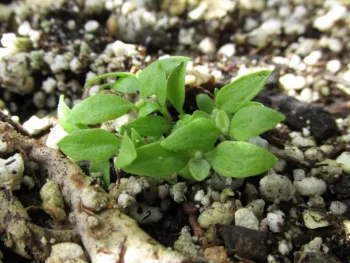
Nelson’s Horsenettle: A Rare Hawaiian Treasure Worth Protecting
Meet Nelson’s horsenettle (Solanum nelsonii), a plant that’s as intriguing as its name suggests. Also known by its Hawaiian name aleia popolo, this native Hawaiian shrub is one of those special plants that makes you stop and think about conservation every time you see it. While it might not be the easiest plant to find at your local nursery, understanding this remarkable species can deepen your appreciation for Hawaii’s unique flora.
What Makes Nelson’s Horsenettle Special
Nelson’s horsenettle is a perennial shrub that typically grows as a multi-stemmed woody plant, usually staying under 13-16 feet tall. Like other members of the Solanum family, it produces attractive purple flowers with bright yellow centers that create a lovely contrast against its foliage. The scientific name honors its discoverer, and you might occasionally see it referenced by its synonym Solanum nelsonii var. thomasiifolium.
Where You’ll Find It Growing Wild
This plant calls the Hawaiian Islands home, along with Guam and other U.S. Minor Outlying Islands in the Pacific. It’s a true island endemic, having evolved specifically in these tropical Pacific locations over thousands of years.
- Species observed
- No observations
The Conservation Reality Check
Here’s where things get serious: Nelson’s horsenettle is classified as Endangered in the United States and has a Global Conservation Status of S2 (Imperiled). This means there are typically only 6-20 known occurrences left, with perhaps 1,000-3,000 individual plants remaining in the wild. That’s sobering numbers for any plant lover.
If you’re considering growing Nelson’s horsenettle, please only source it from reputable conservation organizations or botanical institutions that can guarantee responsibly collected or propagated material. Never collect from wild populations – every plant in nature is precious for this species’ survival.
Growing Nelson’s Horsenettle: What You Need to Know
This isn’t your typical backyard shrub, but if you’re in the right location and committed to conservation, here’s what this Hawaiian native needs:
Climate Requirements
- USDA Hardiness Zones 10-12 only (tropical and subtropical climates)
- Tolerates coastal conditions well
- Prefers dry to moderately moist conditions
Growing Conditions
- Well-draining soil is essential
- Full sun to partial shade
- Once established, quite drought-tolerant
- Minimal fertilization needed
Garden Design and Landscape Use
Nelson’s horsenettle works beautifully in:
- Native Hawaiian plant gardens
- Conservation and educational landscapes
- Dry coastal garden designs
- Botanical collection gardens
As a shrub, it can serve as a mid-level specimen in layered plantings or as an educational focal point in conservation-themed landscapes. Its flowers likely attract native pollinators, making it valuable for supporting local ecosystems.
The Bottom Line for Gardeners
Should you plant Nelson’s horsenettle? If you’re in the right climate zone (tropical areas only) and can source it responsibly, absolutely – but with the understanding that you’re participating in conservation efforts. This isn’t a plant for casual gardening; it’s for those who want to make a difference in preserving Hawaii’s endangered flora.
For most mainland gardeners, this species simply won’t survive your climate. Instead, consider supporting conservation efforts for Nelson’s horsenettle through donations to botanical gardens or Hawaiian conservation organizations. You can also explore other native Solanum species that might be appropriate for your region.
Remember, every endangered plant grown in cultivation is a small victory for conservation. If you do grow Nelson’s horsenettle, you’re not just adding a unique shrub to your garden – you’re helping ensure this remarkable Hawaiian endemic has a future.