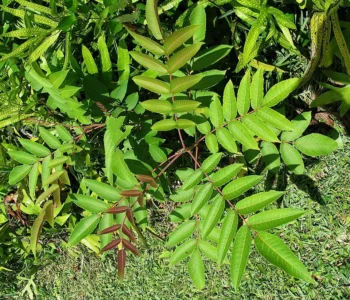
Neneleau: Hawaii’s Native Sumac Tree Worth Growing
If you’re looking to add authentic Hawaiian character to your garden while supporting native biodiversity, meet neneleau (Rhus sandwicensis) – a charming indigenous tree that’s been gracing the Hawaiian Islands long before any of us arrived. Also known as neleau, this native sumac brings both cultural significance and natural beauty to island landscapes.
A True Hawaiian Native
Neneleau is endemic to Hawaii, meaning it grows naturally nowhere else on Earth. This perennial tree species has deep roots in Hawaiian ecology and culture, making it a meaningful choice for gardeners who want to cultivate plants with genuine island heritage. You’ll find it naturally occurring across the Hawaiian Islands, typically in drier forest areas.
- Species observed
- No observations
What Does Neneleau Look Like?
Don’t expect a towering giant – neneleau is more of a modest, well-mannered tree that typically grows 13-16 feet tall, though it can sometimes stay shorter depending on growing conditions. As a member of the sumac family, it features compound leaves that create an attractive, somewhat delicate canopy. The tree develops a single trunk (though environmental stress might occasionally cause multi-stemming), giving it a classic tree form that works well in various landscape settings.
Why Gardeners Should Consider Neneleau
Here’s where things get interesting – and important. Neneleau carries a conservation status of S2S3, which means it’s somewhat rare and could use our help. By growing this native tree, you’re not just beautifying your landscape; you’re actively participating in conservation efforts.
The benefits of adding neneleau to your garden include:
- Supporting native Hawaiian biodiversity
- Creating habitat for native insects and pollinators
- Adding authentic cultural and ecological value to your landscape
- Enjoying a tree that’s perfectly adapted to Hawaiian growing conditions
Where Neneleau Thrives in Your Garden
Neneleau is classified as facultative upland, meaning it usually prefers non-wetland conditions but can tolerate some moisture. This makes it quite versatile for Hawaiian gardens. It’s particularly well-suited for:
- Native Hawaiian plant gardens
- Restoration landscape projects
- Dry forest recreation areas
- Cultural or educational landscapes
Growing Conditions and Care
The good news? Neneleau is relatively low-maintenance once established. This tree thrives in USDA hardiness zones 10-11, making it perfect for Hawaii’s tropical and subtropical climate.
For best results, provide:
- Well-draining soil (it doesn’t like wet feet)
- Full sun to partial shade
- Protection from strong winds when young
- Minimal watering once established – it’s quite drought tolerant
Important Note About Sourcing
Given neneleau’s conservation status, it’s crucial to source your plants responsibly. Only purchase from reputable native plant nurseries that propagate from legally and ethically collected seeds or cuttings. Never collect plants from the wild – this can harm already vulnerable populations.
The Bottom Line
Neneleau offers Hawaiian gardeners a wonderful opportunity to grow something truly special – a native tree that connects your landscape to the islands’ natural heritage while supporting conservation efforts. While it may not be the showiest tree in your garden, its quiet beauty and ecological importance make it a worthy addition to any Hawaiian landscape focused on native plants.
Just remember: with rarity comes responsibility. Choose your source carefully, and you’ll be rewarded with a piece of authentic Hawaiian nature that future generations will thank you for preserving.