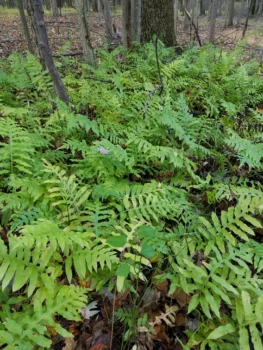
Netted Chainfern: A Unique Native Fern for Wet Gardens
If you’re looking for a distinctive native fern that thrives in those perpetually soggy spots in your garden, meet the netted chainfern (Woodwardia areolata). This fascinating perennial fern brings both beauty and ecological value to challenging wet areas where many other plants simply won’t survive.
What Makes Netted Chainfern Special
The netted chainfern gets its common name from the distinctive netted or chain-like pattern visible on its sterile fronds. This unique characteristic sets it apart from other ferns and creates visual interest in shaded, moist areas. The plant produces two distinct types of fronds: shorter, broader sterile fronds with that characteristic netted pattern, and taller, narrower fertile fronds that bear the spores.
Botanically known as Woodwardia areolata, this native fern belongs to the chain fern family and may also be found in older references under the synonym Lorinseria areolata.
Where It Grows Naturally
Netted chainfern is truly a North American native, naturally occurring from Nova Scotia down to Florida and west to Texas. You can find it growing wild across an impressive range of states including Alabama, Arkansas, Connecticut, Delaware, Florida, Georgia, Illinois, Indiana, Kentucky, Louisiana, Maine, Maryland, Massachusetts, Michigan, Mississippi, Missouri, New Hampshire, New Jersey, New York, North Carolina, Ohio, Oklahoma, Pennsylvania, Rhode Island, South Carolina, Tennessee, Virginia, and West Virginia, plus the District of Columbia.
- Species observed
- No observations
Perfect for Wet Garden Spots
Here’s where netted chainfern really shines: it absolutely loves wet feet. This fern has obligate wetland status in most regions, meaning it almost always occurs in wetland conditions. In the Eastern Mountains and Piedmont region, it’s classified as a facultative wetland plant, which means it usually prefers wetlands but can occasionally tolerate drier conditions.
This wetland preference makes netted chainfern perfect for:
- Rain gardens and bioswales
- Bog gardens
- Pond and stream edges
- Consistently moist woodland areas
- Low-lying areas that stay damp
Garden Design and Landscape Role
Netted chainfern works beautifully in naturalistic garden designs, especially those focused on native plants. Its unique texture and form make it an excellent choice for adding interest to shaded, wet areas that might otherwise be challenging to plant. The contrasting heights of the sterile and fertile fronds create natural layering in the garden.
Consider using netted chainfern in woodland gardens, native plant gardens, or as part of a wetland restoration project. It pairs well with other moisture-loving natives like cardinal flower, blue flag iris, and various sedges.
Growing Conditions
Success with netted chainfern comes down to giving it what it craves: moisture and shade. This fern thrives in USDA hardiness zones 3-9, making it suitable for most of the continental United States.
Ideal growing conditions include:
- Partial shade to full shade
- Consistently moist to wet soil
- Acidic soil conditions
- Rich, organic soil with good drainage (despite loving moisture, it doesn’t want to sit in stagnant water)
Planting and Care Tips
Plant netted chainfern in spring when the soil is workable. Choose a location that stays consistently moist – this isn’t a plant that will forgive you for letting it dry out completely.
Care essentials:
- Keep soil consistently moist, especially during dry spells
- Apply a layer of organic mulch to help retain soil moisture
- No fertilization needed – rich, organic soil is sufficient
- Divide established clumps every 3-4 years in early spring if desired
- Cut back old fronds in late winter before new growth emerges
Wildlife and Ecological Benefits
While netted chainfern doesn’t produce flowers to attract pollinators (ferns reproduce via spores, not seeds), it still provides valuable ecological benefits. The dense growth provides shelter for small wildlife, and the plant helps prevent erosion in wet areas while naturally filtering runoff water.
Is Netted Chainfern Right for Your Garden?
Netted chainfern is an excellent choice if you have consistently moist, shaded areas in your garden and want to grow native plants. It’s particularly valuable for challenging wet spots where other plants struggle. However, if your garden tends toward dry conditions, this probably isn’t the fern for you – it simply won’t thrive without adequate moisture.
For gardeners interested in native plants, wetland restoration, or unique textural elements in shaded areas, netted chainfern offers both beauty and ecological value. Just remember: keep it wet, keep it shaded, and it will reward you with its distinctive charm for years to come.