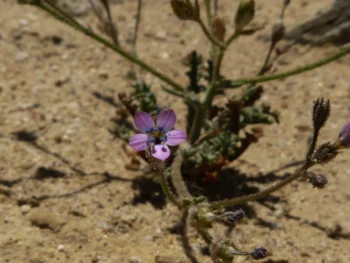
Nevada Gilia: A Rare California Native Worth Protecting
Meet Nevada gilia (Gilia brecciarum jacens), a little-known annual wildflower that calls California home. While you might not find this plant at your local nursery, it’s worth learning about this rare native species and understanding its place in California’s diverse botanical landscape.
What Is Nevada Gilia?
Nevada gilia is an annual forb, meaning it’s a non-woody herbaceous plant that completes its entire life cycle in one growing season. As a member of the phlox family, it shares characteristics with other beloved garden favorites, though this particular species remains much more elusive in both the wild and cultivation.
You might also encounter this plant listed under its synonym, Gilia jacens, in older botanical references. Both names refer to the same rare California native.
Where Does Nevada Gilia Grow?
This native wildflower is found exclusively in California, making it a true Golden State endemic. Its limited geographic distribution contributes to its rarity and conservation significance.
- Species observed
- No observations
Conservation Status: Handle with Care
Here’s where things get important for conscientious gardeners: Nevada gilia has a Global Conservation Status of S4T2T3, indicating it’s considered rare and potentially vulnerable. This means that while the plant exists in nature, its populations may be limited or declining.
If you’re interested in growing this species, it’s crucial to source seeds or plants only from reputable native plant societies or conservation organizations that can guarantee the material was ethically and sustainably collected. Never collect seeds or plants from wild populations.
Should You Grow Nevada Gilia?
Given its rarity status, Nevada gilia isn’t the best choice for most home gardeners. However, if you’re specifically working on habitat restoration projects in appropriate California locations, or if you’re a dedicated native plant enthusiast with access to responsibly sourced material, this plant could be a meaningful addition to specialized native gardens.
Growing Challenges and Considerations
Unfortunately, specific growing information for Nevada gilia is extremely limited due to its rarity and specialized habitat requirements. As an annual forb native to California, it likely prefers:
- Well-draining soils typical of California’s diverse ecosystems
- Seasonal rainfall patterns similar to its natural habitat
- Full to partial sun exposure
- Minimal summer water once established
Better Alternatives for Home Gardeners
Instead of seeking out rare Nevada gilia, consider these more readily available and garden-friendly California native alternatives:
- Bird’s Eyes Gilia (Gilia tricolor) – widely available and stunning
- Globe Gilia (Gilia capitata) – easy to grow annual with beautiful blue flowers
- Desert Gilia (Gilia stellata) – perfect for dry gardens
These alternatives will give you the joy of growing native gilias while supporting conservation efforts and ensuring you’re not putting pressure on rare plant populations.
The Bottom Line
Nevada gilia represents the incredible diversity of California’s native flora, but its rarity means it’s best appreciated and protected in its natural habitat. For most gardeners, choosing more common native alternatives is the responsible choice that still celebrates the beauty and ecological value of native plants. If you do encounter this rare species in the wild, take a moment to appreciate its presence and remember that sometimes the best way to love a plant is to leave it where it belongs.