Nevada Podistera: A Rare Alpine Gem for Specialized Gardens
If you’re looking for a garden plant that practically screams I’m not like other flowers, meet Nevada podistera (Podistera nevadensis). This little alpine performer is about as far from your typical backyard bloomer as you can get – and that’s exactly what makes it so intriguing for the right gardener.
What is Nevada Podistera?
Nevada podistera is a native perennial forb that calls the high elevations of California’s Sierra Nevada mountains home. Unlike woody shrubs or trees, this plant is an herbaceous perennial, meaning it lacks significant woody tissue and dies back to ground level each winter, only to emerge again when conditions are right.
This isn’t your neighborhood garden center variety – Nevada podistera is currently listed with a Global Conservation Status of S3, meaning it’s considered vulnerable. With typically only 21 to 100 occurrences found in the wild and an estimated 3,000 to 10,000 total individuals, this plant is genuinely rare in nature.
Where Does It Grow Naturally?
Nevada podistera is found exclusively in California, specifically in the high-elevation regions of the Sierra Nevada. These aren’t your typical garden conditions – we’re talking about rocky, well-draining soils at elevations where the air is thin and the growing season is short.
- Species observed
- No observations
What Does It Look Like?
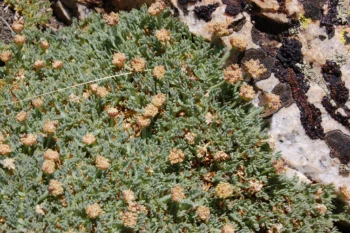
Picture a low-growing, cushion-forming plant with finely divided, delicate leaves and small clusters of white flowers arranged in umbels (think tiny umbrellas of blooms). It’s the kind of plant that whispers rather than shouts, blending beautifully with rocky terrain while adding subtle texture and seasonal interest.
Should You Grow Nevada Podistera?
Here’s where we need to have an honest conversation. Nevada podistera is definitely not for everyone, and here’s why:
The Challenges
- Rarity concerns: With its vulnerable conservation status, you absolutely must source this plant responsibly from reputable native plant nurseries – never from wild collection
- Specialized growing conditions: This plant demands alpine conditions that are nearly impossible to replicate in typical garden settings
- Limited availability: Don’t expect to find this at your local garden center
- Extreme growing requirements: Needs excellent drainage, cool summers, and specific soil conditions
The Right Gardener
Nevada podistera might be perfect for you if you’re:
- An experienced alpine gardener with specialized rock garden setups
- Someone living in higher elevation areas with naturally cool summers
- A native plant enthusiast committed to conservation gardening
- Looking to create an authentic Sierra Nevada alpine plant community
Growing Conditions and Care
If you’re still reading and thinking challenge accepted, here’s what Nevada podistera needs:
Climate Requirements
This plant thrives in USDA hardiness zones 4-7, but zone numbers don’t tell the whole story. It needs cool, dry summers and cold winters – think mountain climate rather than typical temperate garden conditions.
Soil and Drainage
Excellent drainage is absolutely critical. We’re talking about rocky, gritty, fast-draining soil that mimics its natural alpine habitat. Clay soils or areas that stay moist will likely spell disaster for this mountain native.
Sun and Exposure
Full sun is typically preferred, but in lower elevation gardens, some protection from intense afternoon sun may be beneficial.
Wildlife and Garden Value
While specific wildlife benefits aren’t well-documented, Nevada podistera’s small white flowers likely attract tiny pollinators typical of alpine environments. In its natural habitat, it plays a role in the delicate ecosystem of high-elevation plant communities.
The Bottom Line
Nevada podistera is a plant for the specialized gardener who appreciates rare, challenging natives and has the right growing conditions. If you’re interested in growing this vulnerable species, please source it responsibly and be prepared for a gardening adventure that’s more mountain climbing than typical flower gardening.
For most gardeners interested in California natives, consider more adaptable alternatives that can provide similar aesthetic appeal without the extreme growing requirements. But for those ready to embrace the challenge, Nevada podistera offers the chance to grow something truly special – and help conserve a rare piece of California’s alpine heritage.