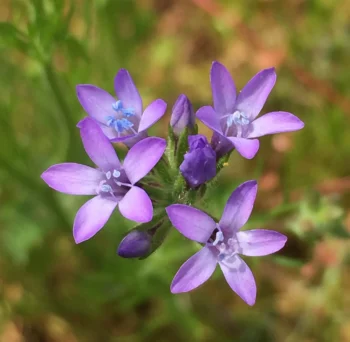
Nevin’s Gilia: A Delicate California Native Worth Protecting
If you’re looking to add some authentic California charm to your native garden, Nevin’s gilia (Gilia nevinii) might just be the petite wildflower you’ve been searching for. This annual forb brings a subtle elegance to naturalistic landscapes, though its conservation status means you’ll want to be extra thoughtful about how you source it.
What Makes Nevin’s Gilia Special
Nevin’s gilia is a true California native, growing naturally only within the Golden State’s borders. This delicate annual wildflower typically reaches 6 to 24 inches in height, producing clusters of tiny white to pale blue flowers that seem to float above thread-like foliage. As a forb – essentially a non-woody flowering plant – it lacks the substantial stems of shrubs but makes up for it with its graceful, airy appearance.
The plant is also known by the synonym Gilia multicaulis ssp. nevinii, reflecting its close relationship to other members of the Gilia family. However, this particular species has carved out its own niche in California’s coastal ecosystems.
Where You’ll Find It Growing Wild
Gilia nevinii calls California home, specifically thriving in the Channel Islands and coastal areas of southern California. This limited geographic distribution contributes to its vulnerable conservation status.
- Species observed
- No observations
Conservation Concerns: Handle With Care
Here’s where things get important: Nevin’s gilia has a Global Conservation Status of S3, meaning it’s considered vulnerable. With typically only 21 to 100 occurrences or between 3,000 and 10,000 individuals in the wild, this isn’t a plant to take lightly. If you’re interested in growing it, please only source seeds or plants from reputable native plant nurseries that practice ethical collection methods. Never collect from wild populations.
Garden Appeal and Landscape Uses
While Nevin’s gilia might not be the showiest flower in your garden, it brings a understated charm that’s perfect for:
- Native California wildflower meadows
- Drought-tolerant landscape designs
- Coastal gardens that celebrate local flora
- Naturalistic plantings where self-seeding is welcome
Its delicate appearance works beautifully as a supporting player among bolder native perennials and shrubs, adding texture and movement to the garden composition.
Wildlife and Pollinator Benefits
Don’t let its small size fool you – Nevin’s gilia is a valuable resource for local wildlife. The nectar-rich flowers attract small native bees and other beneficial insects, making it a worthy addition to any pollinator-friendly garden. As an annual that readily self-seeds, it can provide consistent habitat and food sources year after year when conditions are right.
Growing Conditions and Care
Nevin’s gilia is adapted to California’s Mediterranean climate and thrives in USDA hardiness zones 9-11. Here’s what this coastal native needs to flourish:
- Sunlight: Full sun exposure
- Soil: Well-draining sandy or rocky soils (it despises soggy conditions)
- Water: Minimal irrigation once established – this is a true drought-tolerant native
- Climate: Mediterranean conditions with dry summers and mild, wet winters
Planting and Maintenance Tips
As an annual, Nevin’s gilia completes its entire life cycle in one growing season, but it’s quite good at perpetuating itself:
- Seeding: Direct seed in fall when natural rains begin
- Maintenance: Minimal care needed once established – overwatering is more harmful than neglect
- Self-seeding: Allow plants to complete their cycle and drop seeds for next year’s display
- Soil prep: Ensure excellent drainage – amend clay soils with sand or gravel if needed
Is Nevin’s Gilia Right for Your Garden?
Consider adding Nevin’s gilia to your landscape if you:
- Garden in coastal southern California
- Want to support local conservation efforts
- Appreciate subtle, naturalistic beauty over flashy blooms
- Have well-draining soil and can resist the urge to overwater
- Can source plants or seeds responsibly
Remember, growing native plants like Nevin’s gilia isn’t just about adding beauty to your landscape – it’s about preserving California’s natural heritage and supporting the wildlife that depends on these plants. Just make sure you’re doing your part by sourcing this vulnerable species responsibly and giving it the dry, sunny conditions it craves.