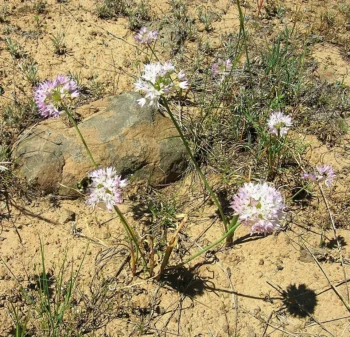
Nevius’ Garlic: A Rare Pacific Northwest Native Worth Seeking Out
If you’re passionate about growing native plants and love the charm of wild onions, Nevius’ garlic (Allium nevii) might just be the hidden gem your garden has been waiting for. This lesser-known Pacific Northwest native brings subtle beauty and ecological value to the right setting, though it comes with some important considerations for responsible gardeners.
What Makes Nevius’ Garlic Special?
Nevius’ garlic is a perennial forb that belongs to the beloved onion family. Like its more famous cousins, this native produces clusters of small, delicate flowers that typically bloom in white to soft pink hues. The blooms are arranged in characteristic umbels—those charming rounded flower clusters that make wild onions so recognizable and appealing.
As a native species, Nevius’ garlic has evolved specifically to thrive in Pacific Northwest conditions, making it a natural choice for gardeners wanting to support local ecosystems while enjoying beautiful, low-maintenance plants.
Where Does It Grow Naturally?
Nevius’ garlic calls the Pacific Northwest home, with natural populations found in Oregon and Washington. This limited geographic range makes it a true regional specialty—a plant that connects your garden directly to the unique character of the Pacific Northwest landscape.
- Species observed
- No observations
Important Conservation Considerations
Here’s something crucial to know: Nevius’ garlic has a conservation status that suggests it’s not as common as we’d like. With a ranking that indicates some level of rarity, this plant deserves our respect and careful stewardship.
If you’re interested in growing Nevius’ garlic, please make sure to source it responsibly. This means:
- Purchasing from reputable native plant nurseries that grow their own stock
- Never collecting plants from wild populations
- Supporting nurseries that propagate plants ethically
- Considering participating in seed collection programs when appropriate
Why Grow Nevius’ Garlic?
Despite its rarity (or perhaps because of it), Nevius’ garlic offers several compelling reasons to include it in your native plant collection:
- True native authenticity: You’ll be growing a plant that truly belongs in Pacific Northwest ecosystems
- Pollinator support: Like other alliums, it likely attracts beneficial small pollinators
- Low maintenance: As a native perennial, it should thrive with minimal intervention once established
- Conservation contribution: Growing rare natives in gardens helps preserve genetic diversity
- Unique garden story: You’ll have a conversation starter that most gardeners have never heard of
Growing Conditions and Care
While specific growing information for Nevius’ garlic can be hard to find, we can make educated guesses based on its Pacific Northwest origins and its relatives in the onion family:
- Soil: Well-draining soil is likely essential, as most alliums hate wet feet
- Sun exposure: Probably prefers full sun to partial shade
- Water: Moderate moisture during growing season, drier conditions during dormancy
- Climate zones: Likely hardy in USDA zones 6-9, matching its native range
Garden Design Ideas
Nevius’ garlic would be perfect for:
- Native plant gardens focusing on Pacific Northwest species
- Rock gardens where drainage is excellent
- Naturalized meadow areas
- Collections of rare or unusual native plants
- Educational gardens showcasing regional biodiversity
The Bottom Line
Nevius’ garlic represents something special in the world of native gardening—a plant that connects us directly to the unique ecosystems of the Pacific Northwest while challenging us to be more thoughtful, responsible gardeners. While it may not be the easiest plant to find or grow, for the dedicated native plant enthusiast, it offers the satisfaction of nurturing something truly rare and regionally significant.
If you’re up for the challenge and can source it responsibly, Nevius’ garlic could become one of the most meaningful additions to your native plant collection. Just remember: with rarity comes responsibility, and every garden that successfully grows this special native helps ensure its future.