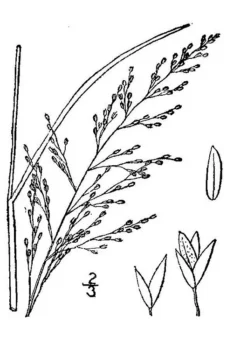
New Jersey Muhly: A Rare Native Grass Worth Protecting in Your Garden
If you’re looking to add a touch of delicate elegance to your native plant garden while supporting conservation efforts, New Jersey muhly (Muhlenbergia torreyana) might be exactly what you need. This graceful perennial grass brings a soft, naturalistic beauty to landscapes while playing an important role in preserving a vulnerable native species.
What Makes New Jersey Muhly Special?
New Jersey muhly is a fine-textured native grass that creates an airy, almost ethereal presence in the garden. As a member of the grass family, it produces delicate seed heads that dance in the breeze and add movement to your plantings. This perennial grass has been gracing American landscapes long before European settlement, making it a true piece of our natural heritage.
You might also see this plant listed under its former scientific name, Sporobolus torreyanus, in older gardening references.
Where Does New Jersey Muhly Call Home?
Despite its common name, New Jersey muhly isn’t limited to just the Garden State. This native beauty naturally grows across the eastern United States, including Delaware, Georgia, Maryland, New Jersey, New York, North Carolina, and Tennessee. It’s particularly well-suited to the coastal plain regions where it has adapted to specific growing conditions over thousands of years.
- Species observed
- No observations
A Plant That Needs Our Help
Important conservation note: New Jersey muhly has a Global Conservation Status of S3, meaning it’s considered vulnerable throughout its range. In New Jersey specifically, it’s listed as a protected species in the Pine Barrens and Highlands regions. This means if you choose to grow this beautiful grass, you should only purchase it from reputable native plant nurseries that propagate it responsibly rather than collecting it from wild populations.
Perfect Spots for New Jersey Muhly in Your Garden
This versatile grass thrives in USDA hardiness zones 6-9 and has a special affinity for moisture. New Jersey muhly is classified as a facultative wetland plant, which means it usually grows in wetlands but can adapt to drier conditions. This makes it perfect for:
- Rain gardens and bioswales
- Native plant gardens
- Naturalistic landscapes
- Coastal gardens
- Areas with clay or sandy soils
- Spots that stay consistently moist
Growing New Jersey Muhly Successfully
The good news is that once established, New Jersey muhly is relatively low-maintenance. Here’s what this graceful grass prefers:
Light: Full sun to partial shade – it’s quite adaptable to different light conditions
Soil: Moist to wet soils with good drainage. It tolerates both sandy and clay soils, making it more versatile than many native grasses
Water: Consistent moisture is key, especially during establishment. Once settled in, it can handle some dry periods but performs best with regular water
Care: Cut back the old growth in late winter before new shoots emerge. This helps maintain the plant’s attractive form and encourages healthy new growth
Wildlife and Ecological Benefits
Like many native grasses, New Jersey muhly provides valuable ecosystem services. The seeds feed birds, and the plant structure offers shelter and nesting material for beneficial insects. By choosing this native over non-native ornamental grasses, you’re creating habitat while supporting local wildlife populations.
Is New Jersey Muhly Right for Your Garden?
New Jersey muhly is an excellent choice if you:
- Want to support native plant conservation
- Have a spot that stays consistently moist
- Appreciate subtle, naturalistic beauty over flashy flowers
- Live within its native range (zones 6-9)
- Can source it from responsible nurseries
However, you might want to consider alternatives if you need a drought-tolerant grass for very dry conditions, or if you can’t find responsibly propagated plants.
The Bottom Line
New Jersey muhly offers gardeners a chance to grow something truly special – a vulnerable native grass that adds quiet elegance to the landscape while supporting conservation efforts. Just remember to source your plants responsibly and give this beauty the moist conditions it craves. Your garden will thank you with years of graceful, low-maintenance beauty, and you’ll be doing your part to help preserve a piece of America’s natural heritage.