New London Dewberry: A Mysterious Native Shrub Worth Knowing About
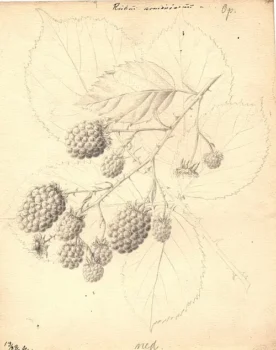
If you’ve stumbled across the name New London dewberry in your native plant research, you’ve discovered one of the more enigmatic members of the Rubus family. This perennial shrub, scientifically known as Rubus positivus, represents a fascinating piece of our native flora puzzle that deserves attention from dedicated native plant enthusiasts.
What Makes New London Dewberry Special?
New London dewberry is a low-growing native shrub that typically stays under 1.5 feet tall, never exceeding 3 feet at maturity. This compact growth habit puts it in the category of ground-hugging shrubs that can serve unique roles in native landscaping. As a perennial, it returns year after year, making it a potentially valuable addition to long-term garden planning.
Where You’ll Find This Native Treasure
This species is native to the lower 48 states, with documented presence specifically in Connecticut. Its limited geographic distribution makes it a true regional specialty plant that represents the unique botanical heritage of southern New England.
- Species observed
- No observations
A Word of Caution: Rarity Matters
Here’s where things get interesting (and a bit concerning): New London dewberry has a Global Conservation Status listed as SUSHQ, which translates to undefined in conservation terms. This unclear status, combined with its extremely limited distribution, suggests this may be a very rare plant that requires careful consideration.
If you’re thinking about adding this species to your garden, it’s crucial to source any plant material responsibly. This means:
- Only purchasing from reputable native plant nurseries
- Ensuring the source material wasn’t collected from wild populations
- Verifying that any nursery stock comes from ethical propagation practices
- Never collecting seeds or cuttings from wild populations
The Information Gap Challenge
One of the most intriguing aspects of New London dewberry is how little detailed information is readily available about its specific growing requirements, wildlife benefits, and garden performance. This knowledge gap actually reflects the broader challenge of conserving and understanding our rarer native species.
What we don’t yet know includes specific details about:
- Preferred soil conditions and moisture requirements
- Specific pollinator relationships
- Wildlife benefits and ecosystem role
- Optimal planting and care techniques
- USDA hardiness zone specifics
Should You Grow New London Dewberry?
Given the uncertain conservation status and limited availability of information, New London dewberry isn’t the best choice for beginning native gardeners or those looking for well-documented, easy-to-grow options.
However, if you’re an experienced native plant enthusiast in Connecticut or surrounding areas, and you can locate responsibly sourced plant material, this species could be part of conservation-minded gardening efforts. Just remember that you’d be working with a plant that has limited cultivation guidance available.
Better-Known Alternatives
If you’re interested in low-growing native shrubs from the Rubus family, consider these well-documented alternatives:
- Common dewberry (Rubus flagellaris) – widely available and well-studied
- Wild red raspberry (Rubus idaeus) – excellent wildlife benefits
- Black raspberry (Rubus occidentalis) – great for birds and pollinators
These alternatives offer similar growth habits with the added benefit of extensive growing information and proven garden performance.
The Bottom Line
New London dewberry represents the fascinating complexity of our native flora – species that exist in the margins of our botanical knowledge, requiring conservation attention and careful study. While it may not be the right choice for every native garden, it serves as an important reminder of the diversity and fragility of our regional plant communities.
If you do encounter this species in the wild or in specialized collections, consider it a special sighting worthy of appreciation and protection rather than collection.