New Mexico Fameflower: A Hidden Gem for Water-Wise Gardens
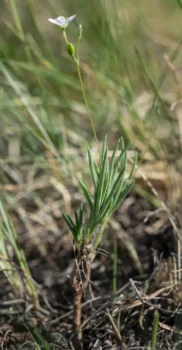
If you’re looking for a drought-tolerant native plant that packs a colorful punch without demanding much attention, let me introduce you to the New Mexico fameflower (Phemeranthus confertiflorus). This unassuming little perennial might not win any height contests, but it more than makes up for it with its charming personality and impressive resilience.
What Makes New Mexico Fameflower Special?
New Mexico fameflower is a native perennial forb that belongs to a group of plants known for their succulent-like qualities and water-storing abilities. Don’t let the New Mexico in its name fool you – this adaptable plant actually calls a much larger swath of the American West and Great Plains home.
The plant produces clusters of small, vibrant pink to magenta flowers that seem to glow against its narrow, fleshy foliage. These blooms typically appear in summer and have a delicate, almost papery quality that adds textural interest to any garden setting.
Where Does It Grow Naturally?
This hardy native spans an impressive range across the central and western United States. You’ll find wild populations thriving in Arizona, Colorado, Kansas, Nebraska, New Mexico, North Dakota, Oklahoma, South Dakota, Texas, Utah, and Wyoming. It’s particularly well-suited to the challenging growing conditions of the Great Plains and southwestern deserts.
- Species observed
- No observations
A Note About Conservation
Before we dive into growing tips, there’s something important to know: New Mexico fameflower has a vulnerable conservation status. While it’s not critically endangered, wild populations are considered at risk due to habitat loss and other pressures. This makes it an excellent candidate for native plant gardens, but with one crucial caveat – always purchase plants or seeds from reputable native plant nurseries that ethically source their materials. Never collect from wild populations.
Why Choose New Mexico Fameflower for Your Garden?
Here are some compelling reasons to give this native gem a spot in your landscape:
- Drought champion: Once established, it thrives with minimal water
- Pollinator magnet: The nectar-rich flowers attract native bees, small butterflies, and other beneficial insects
- Low maintenance: Perfect for gardeners who want beauty without the fuss
- Native credentials: Supports local ecosystems and wildlife
- Unique texture: The succulent-like foliage adds interesting contrast to traditional garden plants
Perfect Garden Settings
New Mexico fameflower shines in several garden styles:
- Rock gardens: Its compact size and drought tolerance make it ideal for tucking between stones
- Xeriscape landscapes: A natural choice for water-wise gardening
- Native plant gardens: Pairs beautifully with other Great Plains and southwestern natives
- Ground cover applications: Can form attractive mats in appropriate conditions
Growing Conditions and Care
The good news is that New Mexico fameflower is surprisingly easy to grow if you can provide what it needs most: excellent drainage and plenty of sunshine.
Light Requirements
This sun-loving plant performs best in full sun conditions. While it might tolerate some light shade, you’ll get the best flowering and most compact growth in bright, direct sunlight.
Soil Preferences
Think desert conditions when preparing soil for New Mexico fameflower. It thrives in:
- Well-draining sandy or rocky soils
- Poor to moderately fertile conditions
- Slightly alkaline to neutral pH
- Soils that dry out completely between waterings
Watering Wisdom
Less is definitely more with this drought-adapted native. Water newly planted specimens regularly until established (usually the first growing season), then step back and let nature take over. Overwatering is one of the few ways to kill this resilient plant.
Climate Considerations
New Mexico fameflower is hardy in USDA zones 4-8, making it suitable for a wide range of climates. It handles both hot summers and cold winters with remarkable grace, thanks to its Great Plains genetics.
Planting and Establishment Tips
Spring is typically the best time to plant New Mexico fameflower, giving it a full growing season to establish before winter. Here’s how to set it up for success:
- Improve drainage by adding coarse sand or gravel to heavy soils
- Space plants according to their mature spread (typically 12-18 inches apart)
- Water regularly during the first few months, then gradually reduce frequency
- Avoid fertilizing – this plant actually prefers lean soils
- Mulch lightly with gravel or decomposed granite rather than organic mulch
Companion Planting Ideas
New Mexico fameflower plays well with other drought-tolerant natives. Consider pairing it with:
- Prairie grasses like buffalo grass or blue grama
- Other Great Plains wildflowers such as blanket flower or purple coneflower
- Southwestern natives like penstemon or desert marigold
- Succulents and cacti for textural contrast
The Bottom Line
New Mexico fameflower might not be the showiest plant in the nursery, but it’s exactly the kind of reliable, water-wise native that modern gardens need. Its combination of drought tolerance, pollinator appeal, and low-maintenance nature makes it a smart choice for gardeners looking to create sustainable, beautiful landscapes.
Just remember to source your plants responsibly – by choosing nursery-grown specimens, you’ll be supporting conservation efforts while adding a true regional native to your garden. Sometimes the best plants are the ones that know how to take care of themselves, and New Mexico fameflower definitely fits that bill.