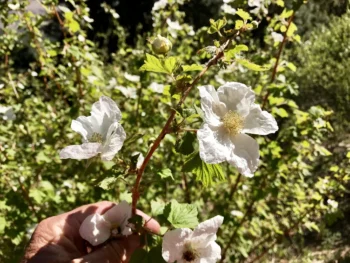
New Mexico Raspberry: A Rare Southwestern Native Worth Protecting
Meet the New Mexico raspberry (Rubus neomexicanus), a delightful little shrub that’s as rare as it is charming. This low-growing native has been quietly thriving in the mountains of the American Southwest for centuries, but it’s so uncommon that many gardeners have never heard of it. If you’re lucky enough to find responsibly sourced plants, this raspberry relative could become a treasured addition to your native garden.
What Makes New Mexico Raspberry Special?
Don’t expect towering canes like you’d see with commercial raspberries. New Mexico raspberry is a humble, low-growing perennial shrub that rarely exceeds 1.5 feet tall and never grows taller than 3 feet. This compact size makes it perfect for gardeners who want the charm of native raspberries without the space requirements of their larger cousins.
You might also see this plant listed under its botanical synonyms, including Oreobatus deliciosus ssp. neomexicanus or the older name Rubus exrubicundus, but they all refer to the same special little shrub.
Where Does It Call Home?
New Mexico raspberry is native to four southwestern states: Arizona, Colorado, New Mexico, and Utah. It thrives in the mountainous regions of these states, where it has adapted to rocky soils and the challenging conditions of higher elevations.
- Species observed
- No observations
A Word of Caution: Rarity Matters
Here’s something important every gardener should know: New Mexico raspberry has a Global Conservation Status of S1Q, which means it’s critically imperiled and there are questions about its taxonomic classification. This rarity status means that if you want to grow this native beauty, you absolutely must source it responsibly from reputable native plant nurseries that propagate their own stock rather than wild-collecting.
Why Grow New Mexico Raspberry?
Despite its rarity challenges, there are compelling reasons to consider this native shrub:
- Native wildlife support: The flowers attract native bees, butterflies, and other pollinators, while the berries feed birds and small mammals
- Low maintenance: Once established, it’s quite drought tolerant and requires minimal care
- Erosion control: Its low, spreading growth habit makes it excellent for stabilizing slopes
- Seasonal interest: Spring brings delicate white to pale pink flowers, followed by red berries in summer
- Authentic southwestern character: Perfect for native plant gardens and xeriscaping
Growing Conditions and Care
New Mexico raspberry is surprisingly adaptable for such a rare plant. It thrives in USDA hardiness zones 4-8, making it suitable for a wide range of climates. Here’s what it needs to flourish:
- Soil: Well-draining soils are essential; rocky or sandy soils are ideal
- Light: Partial shade to full sun, though some afternoon shade helps in hotter climates
- Water: Drought tolerant once established, but appreciates occasional deep watering during dry spells
- Space: Allow 2-3 feet between plants for proper air circulation
Planting and Care Tips
The best time to plant New Mexico raspberry is in fall or early spring when temperatures are moderate. Here are some tips for success:
- Dig a hole twice as wide as the root ball but no deeper
- Amend heavy clay soils with coarse sand or gravel to improve drainage
- Water regularly the first year to help establish roots
- Prune lightly after fruiting to maintain shape and remove any dead canes
- Mulch around plants to retain moisture and suppress weeds
- In lower elevations, provide some protection from intense afternoon sun
Perfect Garden Companions
New Mexico raspberry works beautifully in native plant gardens, naturalized areas, and xeriscapes. It pairs well with other southwestern natives like penstemon, Indian paintbrush, and native grasses. Its low profile makes it an excellent groundcover for slopes or as an understory plant beneath taller native shrubs.
The Bottom Line
New Mexico raspberry is a rare gem that deserves protection and appreciation. While its scarcity means you’ll need to search harder for responsibly sourced plants, the reward is a authentic piece of southwestern natural heritage in your garden. By growing this native species, you’re not just adding beauty to your landscape – you’re participating in conservation efforts and supporting the pollinators and wildlife that depend on native plants.
Remember, when it comes to rare natives like New Mexico raspberry, every garden counts in the effort to preserve these special species for future generations.