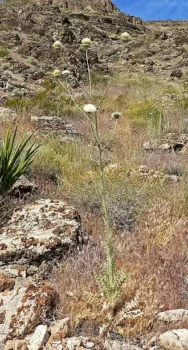
New Mexico Thistle: A Spiky Beauty for Native Gardens
If you’re looking to add some wild charm and pollinator power to your native garden, meet the New Mexico thistle (Cirsium neomexicanum). This prickly beauty might not win any most huggable plant contests, but it’s absolutely stellar at attracting butterflies and adding authentic southwestern flair to your landscape.
What Makes New Mexico Thistle Special?
New Mexico thistle is a true native of the American Southwest, naturally occurring across Arizona, California, Colorado, Nevada, New Mexico, and Utah. As a biennial to perennial forb, this herbaceous plant cycles through life stages that keep your garden interesting year after year. Unlike woody shrubs or trees, it’s a soft-stemmed plant that dies back seasonally but returns with vigor.
- Species observed
- No observations
This thistle has had quite the identity crisis over the years, with botanists shuffling it through various scientific names including Carduus inamoenus, Cirsium arcuum, and several others. But regardless of what you call it, this plant remains a steadfast native that’s perfectly adapted to challenging western conditions.
Garden Appeal and Landscape Role
Standing 2-6 feet tall when mature, New Mexico thistle creates dramatic vertical interest with its spiny stems topped by vibrant purple-pink flower heads. The blooms appear from late spring through summer, creating a spectacular show that’s impossible to ignore. While it might look a bit rebellious compared to your neat garden beds, that wild appearance is exactly what makes it perfect for:
- Native plant gardens and wildflower meadows
- Xeriscaping and drought-tolerant landscapes
- Wildlife and pollinator gardens
- Naturalized areas that mimic local ecosystems
Pollinator Magnet Extraordinaire
Here’s where New Mexico thistle really shines – it’s like a neon sign for pollinators. The nectar-rich flowers are absolute butterfly magnets, drawing in everything from painted ladies to skippers. Bees also can’t resist the abundant pollen and nectar, making this plant a valuable addition to any pollinator-friendly garden. Native bees, in particular, have co-evolved with this species and depend on it for sustenance.
Growing Conditions and Care
One of the best things about New Mexico thistle is how low-maintenance it can be once you understand its needs. This plant is naturally adapted to the challenging conditions of the Southwest, which means it’s incredibly drought tolerant once established.
Ideal growing conditions include:
- Full sun exposure (6+ hours daily)
- Well-draining soils – it absolutely hates wet feet
- USDA hardiness zones 4-8
- Minimal supplemental watering once established
The plant thrives in poor to average soils and actually performs better without rich, amended earth. Think of it as the tough love plant of your garden – treat it too well, and it might get soft!
Planting and Care Tips
Getting New Mexico thistle started is refreshingly straightforward:
- Timing: Direct sow seeds in fall for best results, allowing natural winter stratification
- Spacing: Give plants 2-3 feet of space – they appreciate room to spread
- Watering: Water regularly the first year, then reduce to occasional deep watering
- Maintenance: Minimal pruning needed; deadhead spent flowers if you want to prevent self-seeding
Speaking of self-seeding, this plant can be quite generous with spreading its offspring around. Some gardeners love this natural propagation, while others prefer to deadhead flowers before seeds mature. The choice is yours!
Should You Grow New Mexico Thistle?
If you’re gardening within its native range and want to support local wildlife while creating an authentic southwestern landscape, New Mexico thistle is an excellent choice. It’s particularly valuable for gardeners interested in:
- Supporting native pollinators and wildlife
- Creating drought-tolerant, sustainable landscapes
- Adding unique texture and seasonal interest
- Establishing authentic regional plant communities
Just remember that thistle means spiny, so plant it away from high-traffic areas where people or pets might brush against it. With proper placement and minimal care, New Mexico thistle will reward you with years of striking blooms and bustling pollinator activity – proving that sometimes the prickliest personalities make the best garden companions.