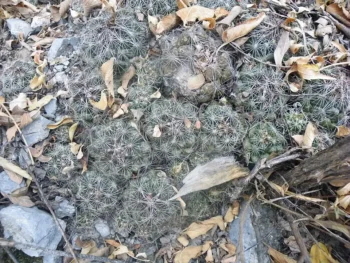
Nickels’ Cactus: A Rare Texas Treasure for Specialized Gardens
Meet Nickels’ cactus (Coryphantha nickelsiae), a petite and precious native that’s as rare as it is charming. This little Texas gem might not be the showiest plant in your garden, but for cactus enthusiasts and native plant lovers, it’s a true treasure worth seeking out—with some important caveats we’ll discuss.
What Makes Nickels’ Cactus Special?
Also known by its scientific name Coryphantha nickelsiae, this perennial cactus is a compact, multi-stemmed beauty that stays refreshingly manageable in size. Unlike its towering cousins, Nickels’ cactus maintains a low, clustered growth habit that makes it perfect for intimate garden spaces.
The plant produces lovely yellow flowers that add a cheerful pop of color to desert landscapes, and its distinctive tubercled stems create interesting texture year-round. It’s the kind of plant that makes you lean in for a closer look—which is exactly what every good garden conversation starter should do.
Where Does It Call Home?
Nickels’ cactus is a true Texan, native exclusively to the Lone Star State. This little endemic species has carved out its niche in the harsh but beautiful landscapes of Texas, where it has adapted to thrive in conditions that would challenge many other plants.
- Species observed
- No observations
The Rarity Reality Check
Here’s where we need to have a serious conversation: Nickels’ cactus carries a Global Conservation Status of S2, meaning it’s considered imperiled. With typically only 6 to 20 known occurrences and somewhere between 1,000 to 3,000 individual plants remaining, this species is extremely vulnerable to extinction.
What this means for gardeners: While we absolutely encourage growing native plants, if you’re interested in Nickels’ cactus, you must ensure any plants you acquire are from responsibly sourced, legally propagated stock—never wild-collected specimens.
Garden Design and Landscape Role
When responsibly sourced, Nickels’ cactus shines in specialized settings:
- Rock gardens with excellent drainage
- Desert-themed landscapes and xeriscapes
- Specialized cactus and succulent collections
- Container gardens for easy monitoring and care
Its compact size makes it ideal as a specimen plant where visitors can appreciate its unique form and seasonal blooms up close.
Growing Conditions and Care
Like most cacti, Nickels’ cactus is surprisingly easy to keep happy once you understand its basic needs:
Sunlight: Full sun is essential—at least 6-8 hours of direct sunlight daily
Soil: Well-draining, sandy or rocky soil is non-negotiable. Think water disappears immediately level of drainage
Water: Minimal watering—only during extended dry periods in growing season, and virtually none in winter
Climate: Hardy in USDA zones 8b-10a, but needs protection from hard freezes
Planting and Ongoing Care
If you’ve sourced your Nickels’ cactus responsibly, here’s how to give it the best start:
- Plant in spring after the last frost danger has passed
- Amend heavy soils with coarse sand, gravel, or pumice for drainage
- Consider raised beds or containers if your soil doesn’t drain well naturally
- Water sparingly—overwatering is the quickest way to lose your rare treasure
- Provide some winter protection in areas prone to hard freezes
Supporting Pollinators
The bright yellow flowers of Nickels’ cactus aren’t just pretty—they’re valuable pit stops for native bees and other small pollinators. In a well-designed native plant garden, even a small cactus like this one plays an important role in supporting local ecosystem health.
The Bottom Line
Nickels’ cactus is a fascinating native plant that deserves our respect and protection. While it can make a wonderful addition to specialized gardens, its imperiled status means we must approach it with extra care and responsibility. If you’re drawn to this rare beauty, make sure you’re supporting conservation efforts by purchasing only from reputable nurseries that propagate their own stock.
For most gardeners interested in native Texas cacti, consider starting with more common species like prickly pear (Opuntia) varieties, which offer similar aesthetic appeal without conservation concerns. But if you’re a serious native plant enthusiast ready to be a conservation partner, Nickels’ cactus might just be the rare gem your specialized garden has been waiting for.