Nihoa Pritchardia: A Rare Hawaiian Palm Worth Protecting
Meet the Nihoa pritchardia (Pritchardia aylmerrobinsonii), one of Hawaii’s most endangered palm species and a true botanical treasure. This remarkable native palm tells a story of island evolution and conservation challenges that every gardener should know about.
What Makes This Palm Special?
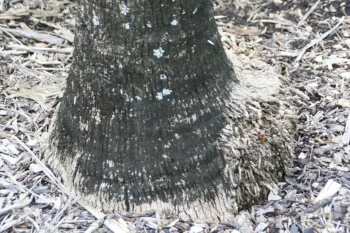
The Nihoa pritchardia is a stunning single-trunk palm that can grow over 13-16 feet tall under ideal conditions. Like other members of the Pritchardia family, it develops beautiful fan-shaped leaves that create an unmistakably tropical silhouette. As a perennial tree, it’s built to last for decades when given proper care.
This palm also goes by the synonym Pritchardia remota ssp. aylmer-robinsonii, reflecting its close relationship to other Hawaiian pritchardias.
A Truly Hawaiian Native
What sets the Nihoa pritchardia apart is its incredibly limited native range. This palm is endemic to Hawaii, specifically found on the tiny, remote island of Nihoa in the Northwestern Hawaiian Islands. Talk about exclusive real estate!
- Species observed
- No observations
Why You Should (Carefully) Consider This Palm
Here’s where things get serious: the Nihoa pritchardia is listed as Endangered in the United States. This means it’s at risk of extinction in the wild, making every cultivated specimen precious for conservation efforts.
Important Conservation Note: If you’re considering adding this palm to your garden, please ensure you source it responsibly from reputable nurseries that propagate from legally obtained material. Never collect from wild populations.
Growing Conditions and Care
Like most Hawaiian palms, the Nihoa pritchardia thrives in tropical conditions:
- USDA Hardiness Zones 10-11 (requires year-round warmth)
- Warm, humid environment
- Well-draining soil
- Protection from strong winds
- Consistent moisture without waterlogging
Garden Design Role
When successfully grown, this palm makes an exceptional specimen tree for tropical and subtropical landscapes. Its elegant form works beautifully as a focal point in Hawaiian native plant gardens or as part of a broader tropical plant collection.
The Conservation Connection
By growing endangered native species like the Nihoa pritchardia in cultivation, gardeners become part of important conservation efforts. These gardens serve as living seed banks and help maintain genetic diversity outside of wild populations.
However, this responsibility comes with the need to source plants ethically and support conservation-minded nurseries that work with botanists and conservation organizations.
Is This Palm Right for Your Garden?
Consider the Nihoa pritchardia if you:
- Live in a tropical climate (zones 10-11)
- Want to support Hawaiian native plant conservation
- Can provide consistent warm, humid conditions
- Have space for a medium-sized palm tree
- Can source the plant responsibly
This isn’t a palm for casual gardeners or those in cooler climates, but for the right gardener in the right location, it offers the chance to grow a piece of Hawaiian natural history while contributing to conservation efforts.
Remember: with great palms comes great responsibility. By choosing to grow endangered species like the Nihoa pritchardia, you’re joining a community of gardeners who understand that sometimes the most beautiful plants are also the most precious.