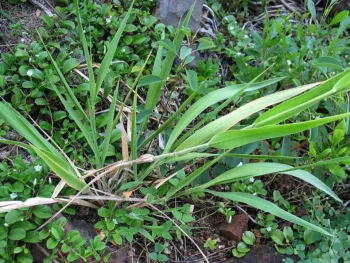
Niihau Panicgrass: A Critically Endangered Hawaiian Treasure
Meet Niihau panicgrass (Panicum niihauense), one of Hawaii’s rarest native grasses that’s fighting for survival in the wild. This isn’t your typical garden grass recommendation – it’s a conservation story that every plant lover should know about.
What Makes This Grass So Special?
Niihau panicgrass is a perennial grass that’s as rare as it gets. With a Global Conservation Status of S1 (Critically Imperiled) and listed as Endangered, this native Hawaiian species represents the fragile beauty of island ecosystems. You might also see it referenced by its botanical synonym, Panicum pseudagrostis, in older literature.
Where Does It Call Home?
This grass is found exclusively in Hawaii, making it a true island endemic. Its very name hints at its connection to Niihau, though its exact current distribution within the Hawaiian Islands is extremely limited due to its endangered status.
- Species observed
- No observations
Should You Plant Niihau Panicgrass?
Here’s the important part: This grass is critically endangered, which means there are likely fewer than 1,000 individuals left in the wild, possibly across just five or fewer locations. For home gardeners, this means:
- It’s not commercially available through typical nursery channels
- Any cultivation should only be attempted through legitimate conservation programs
- Seeds or plants should never be collected from wild populations
- If you’re interested in supporting this species, consider donating to Hawaiian native plant conservation organizations instead
The Conservation Reality
As much as we’d love to share growing tips for this unique grass, the reality is that Niihau panicgrass needs our protection more than our cultivation attempts. Its critically imperiled status means that every remaining plant in the wild is precious for the species’ survival.
What Can Plant Lovers Do Instead?
If you’re passionate about Hawaiian native plants and want to make a difference:
- Support organizations working on Hawaiian plant conservation
- Choose other native Hawaiian grasses that are more stable for your garden
- Spread awareness about endangered native plants
- Participate in habitat restoration projects if you live in Hawaii
A Grass Worth Protecting
While we can’t recommend planting Niihau panicgrass in your garden, we can appreciate its importance as part of Hawaii’s irreplaceable natural heritage. Every endangered species tells a story about the delicate balance of island ecosystems, and this little grass is no exception.
Sometimes the best way to love a plant is to ensure it has a safe future in its native habitat rather than in our gardens. Niihau panicgrass is definitely one of those plants – a reminder that not every beautiful species is meant for cultivation, but all deserve our respect and protection.