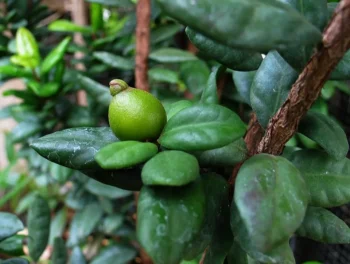
Nioi (Eugenia koolauensis): Hawaii’s Critically Endangered Native Treasure
Meet nioi, one of Hawaii’s most precious and precarious native plants. This unassuming shrub might not be making waves in garden centers, but it’s making headlines in conservation circles – and for good reason. If you’re considering adding this plant to your garden, we need to have a serious conversation first.
What Makes Nioi Special?
Eugenia koolauensis, commonly known as nioi, is a native Hawaiian shrub that belongs to the myrtle family. This perennial woody plant typically grows as a multi-stemmed shrub, usually reaching heights of 13 to 16 feet, though it can vary depending on environmental conditions. You might also see it referenced by its botanical synonym, Eugenia molokaiana Wilson & Rock.
Where Does Nioi Call Home?
Nioi is endemic to Hawaii, meaning it exists nowhere else on Earth. This remarkable plant has made its home exclusively in the Hawaiian Islands, where it has evolved over thousands of years to thrive in the unique island ecosystem.
- Species observed
- No observations
The Critical Conservation Status
Here’s where things get serious: Nioi is critically imperiled with a Global Conservation Status of S1 and is listed as Endangered in the United States. This means there are typically five or fewer occurrences of this plant in the wild, with very few remaining individuals – we’re talking fewer than 1,000 plants total.
What does this mean for you as a gardener? Simply put: you should not attempt to grow this plant in your garden.
Why You Shouldn’t Plant Nioi
While we’re all about celebrating native plants, nioi falls into a special category that requires our protection rather than our cultivation. Here’s why:
- Extreme rarity: With so few plants remaining in the wild, any removal from natural populations could push the species closer to extinction
- Conservation priority: Every remaining plant is crucial for the species’ survival and should remain in protected habitats
- Specialized needs: This plant has evolved for very specific Hawaiian mountain conditions that are nearly impossible to replicate in home gardens
- Legal considerations: Collecting endangered plants from the wild is illegal and can result in serious penalties
How You Can Help Instead
Just because you can’t grow nioi doesn’t mean you can’t make a difference! Here are meaningful ways to support this endangered beauty:
- Support local Hawaiian native plant societies and conservation organizations
- Choose other native Hawaiian plants for your garden that aren’t endangered
- Participate in habitat restoration projects if you live in Hawaii
- Spread awareness about the importance of protecting endangered native species
Native Hawaiian Alternatives for Your Garden
If you’re passionate about growing native Hawaiian plants (and you should be!), consider these less imperiled options that can thrive in cultivation:
- ʻŌhiʻa lehua (Metrosideros polymorpha) – Hawaii’s iconic flowering tree
- Naupaka (Scaevola taccada) – A hardy coastal shrub
- ʻĀweoweo (Chenopodium oahuense) – An attractive native herb
The Bigger Picture
Nioi’s story is a reminder of how precious and fragile our native plant heritage can be. While we can’t invite this particular species into our gardens, we can honor it by becoming better stewards of the native plants we can grow, supporting conservation efforts, and making thoughtful choices about the plants we choose to cultivate.
Sometimes the most loving thing we can do for a plant is to admire it from afar and ensure its wild populations have the best chance of survival for future generations to discover and appreciate.