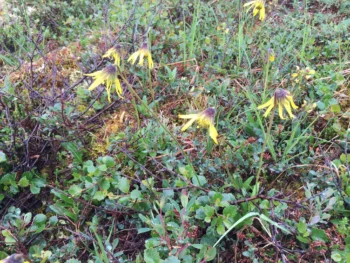
Nodding Arnica: A Rare Northern Native Worth Growing Responsibly
If you’re passionate about native plants and happen to garden in the far northern reaches of North America, you might want to get acquainted with nodding arnica (Arnica lessingii). This charming perennial wildflower is a true northerner, thriving in some of the most challenging climates on the continent.
What Makes Nodding Arnica Special?
Nodding arnica gets its common name from its distinctive drooping flower heads – unlike many of its upright cousins in the Arnica family, this species lets its sunny yellow blooms hang their heads in a modest, almost shy manner. The cheerful daisy-like flowers emerge during the brief but glorious northern summer, adding splashes of golden color to the landscape.
As a perennial forb, nodding arnica returns year after year, developing from underground perennating buds that survive the harsh northern winters. It lacks woody growth above ground, instead producing herbaceous stems and leaves that die back seasonally.
Where Nodding Arnica Calls Home
This native beauty has a distinctly northern personality, naturally occurring in Alaska, British Columbia, Yukon, and the Northwest Territories. It’s perfectly adapted to the extreme conditions of the far north, making it incredibly cold hardy – likely thriving in USDA hardiness zones 1-4.
- Species observed
- No observations
Should You Plant Nodding Arnica?
Here’s where things get interesting. While nodding arnica would make a wonderful addition to northern native plant gardens, there’s an important caveat: this species has a conservation status of S5T2Q, indicating some level of rarity or conservation concern. This doesn’t mean you shouldn’t grow it, but it does mean you should be extra thoughtful about how you acquire it.
Growing Nodding Arnica Successfully
If you decide to add this northern gem to your garden, here’s what you need to know:
Ideal Growing Conditions
- Climate: Extremely cold hardy, best suited for northern gardens in zones 1-4
- Sunlight: Likely prefers full to partial sun
- Soil: Well-draining soil is essential
- Maintenance: Low maintenance once established
Garden Applications
Nodding arnica works beautifully in:
- Native plant gardens and collections
- Wildflower meadows
- Alpine or rock gardens
- Naturalized areas
Supporting Wildlife
Like other members of the Arnica family, nodding arnica likely provides nectar and pollen for various pollinators including native bees and butterflies. The seeds may also provide food for birds and small wildlife.
A Word About Responsible Sourcing
Given its rarity status, it’s crucial to source nodding arnica responsibly. Never collect from wild populations, and only purchase from reputable native plant nurseries that propagate their stock rather than wild-collecting. Better yet, if you can find seeds from cultivated sources, starting from seed is often the most sustainable approach.
The Bottom Line
Nodding arnica is a special plant for special places. If you garden in the far north and want to celebrate your region’s unique native flora, this modest beauty could be a wonderful addition. Just remember to source it responsibly and give it the well-draining conditions it prefers. Your local pollinators – and future generations of gardeners – will thank you for helping preserve this northern treasure.