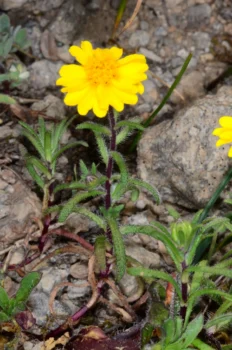
Nodding Madia: A Rare California Native Worth Knowing About
If you’re passionate about California native plants, you might be intrigued by nodding madia (Harmonia nutans), a lesser-known annual wildflower that deserves a spot on your radar. While it may not be the showiest plant in your garden center, this humble native has a story worth telling—and a conservation status that makes it particularly special.
What Is Nodding Madia?
Nodding madia is an annual forb, which simply means it’s a soft-stemmed, herbaceous plant that completes its entire life cycle in one growing season. You might also see it listed under its synonym, Madia nutans, in older botanical references. As a member of the sunflower family, it shares DNA with some of our most beloved wildflowers, though it tends to fly under the radar compared to its flashier relatives.
Where Does It Call Home?
This California native has chosen to make the Golden State its exclusive home within the lower 48 states. While many plants spread far and wide, nodding madia has remained true to its California roots, making it a genuine local treasure for Golden State gardeners.
- Species observed
- No observations
Why Should You Care About This Little-Known Native?
Here’s where things get interesting—and important. Nodding madia carries a Global Conservation Status of S3, which means it’s considered vulnerable. This isn’t a plant you’ll find in every nursery or growing wild on every hillside. With typically only 21 to 100 known occurrences and between 3,000 to 10,000 individuals, this species needs our attention and protection.
For native plant enthusiasts, this rarity status presents both an opportunity and a responsibility. Growing vulnerable native species can be incredibly rewarding, but it comes with the crucial caveat that any plants or seeds must be responsibly sourced—never collected from wild populations.
The Challenge (And Appeal) of Growing Nodding Madia
Here’s where we need to be honest with you: nodding madia isn’t well-documented in horticultural circles. Unlike popular natives like California poppies or ceanothus, detailed growing guides for this species are scarce. This makes it something of a botanical adventure for dedicated native plant gardeners.
What we do know is that as an annual forb, it likely follows typical patterns for California annual wildflowers, but specific details about preferred growing conditions, care requirements, and landscape applications remain elusive in standard gardening resources.
Should You Grow Nodding Madia?
The answer depends on your gardening goals and commitment level. Consider nodding madia if you:
- Are passionate about preserving California’s botanical heritage
- Enjoy the challenge of growing lesser-known native species
- Have access to responsibly sourced seeds or plants
- Want to contribute to conservation efforts through cultivation
However, you might want to start with better-documented California natives if you’re new to native gardening or prefer plants with established cultivation guidelines.
The Responsible Approach
If nodding madia captures your imagination, remember that its vulnerable status means responsible sourcing is non-negotiable. Work only with reputable native plant societies, specialized nurseries that propagate their own stock, or conservation organizations. Never collect from wild populations—this could harm the very species you’re trying to help.
Looking Forward
Nodding madia represents the frontier of native gardening—species that need our attention but lack the extensive cultivation knowledge we have for more common natives. By growing and observing these plants responsibly, dedicated gardeners can contribute valuable information to the broader native plant community while helping ensure these vulnerable species have a future in our landscapes.
Sometimes the most rewarding gardening adventures come from the plants that don’t have all the answers figured out yet. Nodding madia might just be one of those special discoveries waiting for the right gardener to unlock its potential.