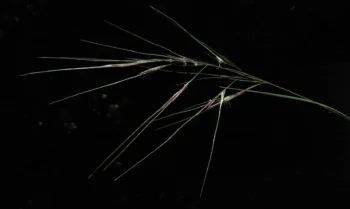
Nodding Needlegrass: A Graceful Native Grass for Water-Wise Gardens
If you’re looking to add some gentle movement and fine texture to your garden while keeping water use low, nodding needlegrass (Nassella cernua) might just be the perfect choice. This elegant California native grass brings a soft, naturalistic feel to landscapes while requiring minimal care once established.
What is Nodding Needlegrass?
Nodding needlegrass is a perennial bunchgrass that forms attractive clumps of fine-textured foliage. You might also see it listed under its former scientific name, Stipa cernua. True to its common name, this grass produces delicate, nodding seed heads that dance beautifully in even the slightest breeze, adding both visual interest and gentle sound to your garden.
Where Does It Grow Naturally?
This grass is native to California, where it thrives in the state’s Mediterranean climate. It has also naturalized in Hawaii, though it’s considered non-native there. In its native California habitat, nodding needlegrass grows in coastal and inland areas, adapting well to the region’s dry summers and mild, wet winters.
- Species observed
- No observations
Why Grow Nodding Needlegrass?
There are several compelling reasons to consider this grass for your landscape:
- Water-wise: Once established, it has excellent drought tolerance and low water needs
- Fast growing: It establishes quickly, reaching its mature height of about 2.6 feet relatively rapidly
- Low maintenance: Requires minimal fertilizer and care
- Wildlife friendly: Provides nesting material and habitat for native bees and small wildlife
- Fire tolerant: High fire tolerance makes it suitable for fire-prone areas
- Erosion control: The root system helps stabilize soil on slopes
Garden Design and Landscape Uses
Nodding needlegrass works beautifully in several garden styles and situations:
- Native plant gardens: Perfect for authentic California native landscapes
- Mediterranean gardens: Complements other drought-tolerant plants beautifully
- Naturalistic plantings: Creates soft, flowing transitions between planted areas
- Slope stabilization: Excellent choice for erosion-prone areas
- Mixed borders: Adds fine texture contrast to broader-leaved plants
Growing Conditions and Care
Nodding needlegrass is refreshingly easy to grow if you can provide the right conditions:
- Sunlight: Requires full sun and won’t tolerate shade
- Soil: Adapts to fine and medium-textured soils but not coarse, sandy soils
- pH: Prefers slightly acidic to neutral soil (pH 5.8-7.2)
- Water: Low water needs once established (12-18 inches annually)
- Climate: Best in USDA hardiness zones 8-10
- Temperature: Can handle temperatures down to about 17°F
Planting and Propagation
The easiest way to grow nodding needlegrass is from seed:
- When to plant: Fall is the ideal time for seeding
- Seed rate: With about 200,000 seeds per pound, a little goes a long way
- Germination: Seeds have medium vigor and don’t require cold stratification
- Establishment: Plants develop moderate root systems (minimum 12 inches deep)
- Commercial availability: Currently only available through special contracting
Seasonal Interest
While nodding needlegrass might not be the showiest plant in your garden, it offers subtle seasonal changes:
- Spring: Active growth period with fresh green foliage
- Mid-spring: Produces small yellow flowers that aren’t particularly conspicuous
- Late spring: Develops brown seed heads
- Fall: Foliage becomes more conspicuous as it changes color
Is It Right for Your Garden?
Nodding needlegrass is an excellent choice if you’re gardening in California and want to create authentic native plantings with minimal water use. Its graceful form and easy care make it particularly appealing for naturalistic gardens and restoration projects.
However, if you’re gardening outside of California, you might want to consider native grasses from your own region instead. Every area has beautiful native grasses that will be better adapted to local conditions and more beneficial to local wildlife.
For California gardeners, nodding needlegrass offers a perfect combination of beauty, practicality, and ecological value – definitely worth considering for your next planting project!