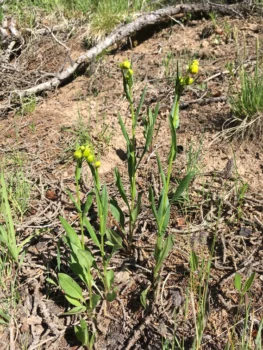
Nodding Ragwort: A Charming Southwestern Native for Desert Gardens
Meet nodding ragwort (Senecio bigelovii var. bigelovii), a delightful native wildflower that brings a touch of sunny charm to southwestern landscapes. This perennial forb gets its whimsical common name from its distinctive drooping flower heads that seem to bob and nod in the slightest breeze. If you’re gardening in the American Southwest and looking for a low-maintenance native plant that supports local wildlife, nodding ragwort might just be the perfect addition to your landscape.
Where You’ll Find This Desert Gem
Nodding ragwort is a true southwestern native, naturally occurring in Arizona and New Mexico. This herbaceous perennial has adapted beautifully to the challenging conditions of the desert Southwest, making it an excellent choice for gardeners in these regions who want to work with nature rather than against it.
- Species observed
- No observations
What Makes Nodding Ragwort Special
This charming forb produces cheerful yellow, daisy-like flowers that create a lovely display when in bloom. The nodding flower heads give the plant a graceful, almost whimsical appearance that adds movement and visual interest to garden spaces. As a member of the sunflower family, nodding ragwort shares that classic composite flower structure that pollinators absolutely love.
A Note About Conservation
Before adding nodding ragwort to your garden, it’s important to know that this plant has a conservation status that suggests it may face some population pressures in the wild. If you choose to grow this native beauty, please ensure you source your plants or seeds from reputable nurseries that practice responsible propagation methods. Never collect plants from wild populations.
Perfect Spots for Nodding Ragwort
This southwestern native shines in several garden settings:
- Xeriscape and drought-tolerant landscapes
- Native plant gardens
- Rock gardens and naturalized areas
- Desert-themed landscapes
- Wildlife and pollinator gardens
Growing Conditions and Care
One of the best things about nodding ragwort is its low-maintenance nature. This desert native thrives in conditions that would challenge many other plants:
- Sunlight: Full sun to partial shade
- Soil: Well-draining soil is essential – this plant won’t tolerate soggy conditions
- Water: Drought tolerant once established, requiring minimal supplemental watering
- Climate: Best suited for USDA hardiness zones 7-10
Planting and Care Tips
Getting nodding ragwort established in your garden is refreshingly straightforward:
- Plant in spring after the last frost
- Ensure excellent drainage – amend heavy soils with sand or gravel if needed
- Water regularly during the first growing season to help establish roots
- Once established, water sparingly – this plant actually prefers drier conditions
- Deadhead spent flowers to encourage more blooms, or leave them for wildlife and potential self-seeding
Benefits for Wildlife and Pollinators
Nodding ragwort is more than just a pretty face in the garden. Its cheerful yellow flowers provide valuable nectar and pollen for native bees, butterflies, and other beneficial insects. By choosing this native plant, you’re supporting local ecosystems and providing food for creatures that have co-evolved with this species over thousands of years.
Is Nodding Ragwort Right for Your Garden?
If you garden in Arizona or New Mexico and are looking for a charming, low-maintenance native plant that supports local wildlife, nodding ragwort could be an excellent choice. Its drought tolerance, pollinator appeal, and distinctive nodding flowers make it a valuable addition to desert gardens and naturalized landscapes.
However, given its conservation status, it’s crucial to source this plant responsibly. Consider it a special addition to your native plant collection – one that connects your garden to the unique natural heritage of the American Southwest while supporting local biodiversity.
Remember, every native plant you grow is a small act of conservation, helping to preserve the natural beauty and ecological integrity of your region for future generations.