Nodding Waternymph: A Native Aquatic Plant for Water Gardens
If you’re looking to create a thriving aquatic ecosystem in your backyard pond or water feature, meet the nodding waternymph (Najas flexilis) – a delightful native plant that might just become your new underwater best friend. This unassuming aquatic annual is like the quiet hero of freshwater habitats, working behind the scenes to keep your water garden healthy and balanced.
What is Nodding Waternymph?
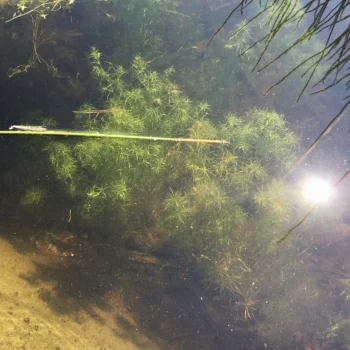
Nodding waternymph is a submerged aquatic plant that belongs to the forb family – essentially an herb that lives entirely underwater. Don’t let its modest appearance fool you; this slender plant with its fine-textured, green foliage plays a crucial role in aquatic ecosystems. The plant gets its charming common name from the way its flexible stems seem to nod and sway gracefully with water currents.
As an annual plant, nodding waternymph completes its entire life cycle in one growing season, typically from spring through fall. It’s a rapid grower that can reach up to 2.5 feet in height, creating underwater meadows that provide essential habitat and oxygen.
Native Range and Distribution
One of the best things about nodding waternymph is its impressive native credentials. This plant is a true North American native, naturally occurring across Alaska, Canada, and most of the lower 48 states. From the chilly waters of Alberta and Alaska to the warmer climates of Arizona and California, this adaptable species has made itself at home in diverse aquatic environments across the continent.
- Species observed
- No observations
Why Choose Nodding Waternymph for Your Water Garden?
Here’s where this little plant really shines – it’s classified as an obligate wetland species across all regions, meaning it almost always occurs in wetlands and aquatic environments. This makes it perfectly suited for:
- Natural-looking pond ecosystems
- Water gardens and aquatic features
- Wetland restoration projects
- Wildlife habitat enhancement
The plant’s rapid growth rate and colonizing growth form make it excellent for quickly establishing aquatic vegetation. Its fine-textured foliage creates a beautiful underwater landscape while serving practical purposes like oxygenating water and providing cover for aquatic wildlife.
Growing Conditions and Care
Nodding waternymph is refreshingly easy-going when it comes to growing conditions. Here’s what it prefers:
- Soil: Adapts to coarse, medium, and fine-textured soils
- pH: Prefers slightly acidic to neutral conditions (6.5-7.5)
- Water: High moisture use (remember, it lives underwater!)
- Temperature: Minimum temperature of 47°F
- Light: Intermediate shade tolerance
The plant thrives in USDA hardiness zones 3-9, making it suitable for most temperate North American gardens with water features.
Planting and Propagation
Getting started with nodding waternymph is straightforward, though you’ll need to think like an aquatic gardener:
- Seeds: The plant propagates readily by seed, with moderate spread rates
- Sprigs: Can also be established using plant fragments or sprigs
- Timing: Plant in late spring when water temperatures warm up
- Depth: Establish in shallow to moderately deep water
Seeds require cold stratification, so they naturally germinate after winter conditions. The good news is that this species is routinely available commercially, making it accessible for home gardeners interested in aquatic plants.
Wildlife and Ecological Benefits
While nodding waternymph might not attract traditional pollinators (its small green flowers bloom underwater in late summer), it provides crucial ecological services. The dense underwater growth creates habitat for fish, amphibians, and aquatic invertebrates. It also helps improve water quality by absorbing nutrients and producing oxygen.
The plant’s fire-resistant qualities and high anaerobic tolerance make it a resilient choice for natural water features that might experience seasonal variations or environmental stresses.
Is Nodding Waternymph Right for Your Garden?
Consider nodding waternymph if you have or are planning:
- A natural pond or water garden
- Wetland restoration area
- Wildlife-friendly aquatic habitat
- Low-maintenance water feature
Keep in mind that this is strictly an aquatic plant – it won’t survive in regular garden beds. But if you’re ready to dive into water gardening with native plants, nodding waternymph offers an authentic, ecologically valuable addition to your aquatic landscape that connects your backyard to the broader North American freshwater heritage.