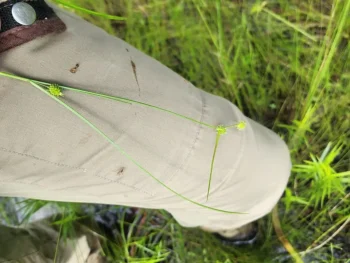
Northeastern Sedge: A Hidden Gem for Wetland Gardens
If you’re looking to add authentic native character to your wetland garden or rain garden, northeastern sedge (Carex cryptolepis) might just be the understated beauty you’ve been seeking. This perennial sedge may not win any flashy flower contests, but it brings something far more valuable to the table: genuine ecological authenticity and effortless grace in wet conditions.
What Makes Northeastern Sedge Special?
Northeastern sedge is a true native gem, naturally occurring across a impressive range from Canada down through the northeastern United States and Great Lakes region. You’ll find this hardy perennial thriving in states and provinces including Manitoba, Ontario, Quebec, Maine, Massachusetts, Vermont, New Hampshire, Connecticut, New York, Pennsylvania, New Jersey, Michigan, Wisconsin, Minnesota, Illinois, Indiana, Ohio, and Rhode Island, plus the Maritime provinces and Labrador.
- Species observed
- No observations
As a member of the sedge family (Cyperaceae), this grass-like plant brings that fine-textured, naturalistic look that’s perfect for gardeners who appreciate subtlety over showiness. Its narrow leaves and small, inconspicuous yellowish-green flower spikes create a delicate, almost ethereal presence in the landscape.
A Word of Caution: Rarity Matters
Before you rush out to find this plant, here’s something important to know: northeastern sedge is considered rare in some areas. In New Jersey, it holds a rarity status of S2, meaning it’s imperiled in the state. If you’re lucky enough to find this species available, make absolutely sure you’re purchasing from a reputable native plant nursery that propagates their own stock rather than wild-collecting.
Why Choose Northeastern Sedge for Your Garden?
This sedge is the ultimate wetland specialist. Classified as an Obligate Wetland plant across all regions where it grows, northeastern sedge almost always occurs in wetlands in nature. This makes it an excellent choice if you have:
- Consistently wet or boggy areas in your landscape
- A rain garden that needs authentic native plants
- Wetland restoration projects
- Areas where other plants struggle due to constant moisture
While it may not attract butterflies like a native wildflower would, northeastern sedge plays a different but equally important role in the ecosystem. As a wind-pollinated plant, it provides valuable habitat structure and helps create the complex plant communities that many wildlife species depend on.
Growing Northeastern Sedge Successfully
The good news about northeastern sedge is that once you provide the right conditions, it’s refreshingly low-maintenance. Here’s what this wetland specialist needs to thrive:
Light Requirements
Northeastern sedge is quite flexible when it comes to light, tolerating everything from full sun to partial shade. In nature, you’ll often find it in areas that receive good light but may be shaded by taller wetland plants during parts of the day.
Soil and Water Needs
This is where northeastern sedge gets particular – and rightfully so. It demands:
- Consistently moist to wet soil conditions
- Acidic to neutral soil pH
- Good drainage movement (not stagnant water)
- Rich, organic matter content typical of wetland soils
Hardiness and Climate
Hardy in USDA zones 3-7, northeastern sedge is built for cooler climates and can handle serious winter weather. This makes it an excellent choice for northern gardeners looking for reliable wetland plants.
Planting and Care Tips
Getting northeastern sedge established is straightforward if you stick to its preferences:
- Spring planting: Plant in early spring when the soil is workable but still consistently moist
- Spacing: Give plants adequate room to form their natural clumps
- Mulching: A thin layer of organic mulch can help retain moisture, though it’s often unnecessary in truly wet sites
- Division: Established clumps can be divided in spring if you want to propagate more plants
- Maintenance: Minimal once established – just remove any dead foliage in late winter or early spring
Is Northeastern Sedge Right for Your Garden?
Northeastern sedge isn’t for every garden or every gardener. It’s definitely the right choice if you’re passionate about native plants, have naturally wet conditions to work with, and appreciate plants that contribute to ecological authenticity rather than flashy displays.
Skip this one if you have dry or even moderately moist conditions – it simply won’t be happy. Also, if you’re looking for dramatic visual impact or pollinator magnets, you’ll want to pair northeastern sedge with more showy native wetland wildflowers.
For the right gardener in the right conditions, northeastern sedge offers something special: a chance to grow a genuinely rare and ecologically important native plant that connects your garden to the authentic wetland communities of northeastern North America. Just remember to source it responsibly, and you’ll have a unique addition that’s both beautiful and beneficial.