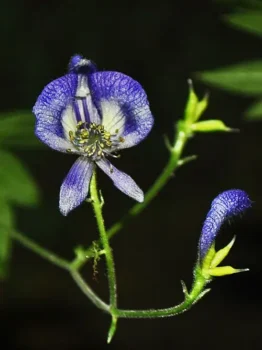
Northern Blue Monkshood: A Rare Native Treasure for Shade Gardens
If you’re looking to add some late-season drama to your shade garden while supporting native plant conservation, northern blue monkshood (Aconitum noveboracense) might just be the perfect choice. This striking native perennial brings deep blue blooms to the garden when most other flowers are calling it quits for the year.
What Makes Northern Blue Monkshood Special?
Northern blue monkshood is a native perennial forb that’s been quietly gracing American landscapes for centuries. Unlike its woody cousins, this herbaceous beauty dies back to the ground each winter, only to emerge again with renewed vigor each spring. The plant gets its charming common name from its distinctive helmet-shaped flowers that really do look like tiny blue monk’s hoods dancing in the breeze.
Where Does It Call Home?
This native beauty has a rather exclusive address list – you’ll find it naturally growing in just four states: Iowa, New York, Ohio, and Wisconsin. It’s a true northerner that prefers the cooler climates of the upper Midwest and Northeast regions.
- Species observed
- No observations
A Word of Caution: This Plant Needs Our Help
Here’s where things get serious for a moment. Northern blue monkshood is considered threatened in the United States and has a global conservation status of vulnerable. This means there are likely only 21 to 100 natural populations remaining, with somewhere between 3,000 to 10,000 individual plants in the wild. If you’re thinking about adding this beauty to your garden, please make sure you’re purchasing from reputable native plant nurseries that propagate their own stock rather than wild-collecting.
Garden Appeal: Why You’ll Fall in Love
What’s not to love about a plant that saves its best show for last? Northern blue monkshood produces stunning deep blue to purple flowers arranged in elegant spikes that bloom from late summer into early fall. These helmet-shaped blooms are absolutely magnetic to bumblebees and other long-tongued pollinators who can navigate their unique structure. When most of your garden is winding down, this plant is just getting started with its spectacular finale.
Perfect Garden Spots
Northern blue monkshood is happiest in:
- Woodland gardens where it can enjoy dappled light
- Shade gardens that need late-season interest
- Native plant gardens focused on regional species
- Rain gardens or areas with consistent moisture
- Naturalistic plantings that mimic wild environments
Growing Conditions: Keep It Cool and Moist
Think of northern blue monkshood as the garden equivalent of someone who loves sweater weather – it thrives in cool, moist conditions. This plant prefers partial to full shade and absolutely loves consistently moist to wet soils. Its wetland status varies by region, but it’s generally happiest with reliable moisture throughout the growing season.
The plant is hardy in USDA zones 3-7, making it perfect for northern gardeners who want to extend their bloom season into fall.
Planting and Care Tips
Growing northern blue monkshood successfully is all about mimicking its natural habitat:
- Soil prep: Enrich your planting area with plenty of organic matter like compost or leaf mold
- Watering: Keep soil consistently moist but not waterlogged – think sponge-like rather than swampy
- Placement: Choose a spot with morning sun and afternoon shade, or dappled light throughout the day
- Maintenance: Plan to divide clumps every 3-4 years to maintain vigor
- Patience: Like many native perennials, it may take a year or two to become fully established
Supporting Pollinators and Conservation
By growing northern blue monkshood, you’re not just adding beauty to your garden – you’re creating habitat for specialized pollinators and helping preserve genetic diversity of this threatened species. Bumblebees particularly appreciate the late-season nectar source when few other flowers are available.
The Bottom Line
Northern blue monkshood is a wonderful choice for gardeners who want to grow something truly special while supporting native plant conservation. Just remember to source your plants responsibly, give them the cool, moist conditions they crave, and enjoy knowing you’re helping preserve a piece of America’s natural heritage. Your late-season garden (and the bumblebees) will thank you for it!