Northern Bluebells: A Charming Native for Shade Gardens
If you’re searching for a delightful native perennial to brighten up those shady corners of your garden, northern bluebells (Mertensia paniculata var. borealis) might just be your new best friend. This charming member of the borage family brings early-season color and pollinator support to gardens across the northern United States and Canada.
What Makes Northern Bluebells Special
Northern bluebells are true native gems, naturally occurring across British Columbia, Idaho, Montana, Oregon, and Washington, as well as parts of Canada. As a perennial forb, this herbaceous plant returns year after year without any woody stems, making it a reliable addition to your garden’s cast of characters.
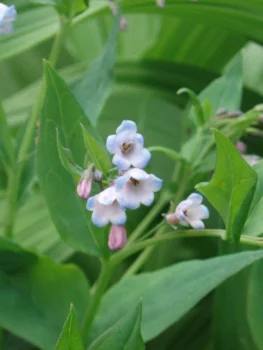
The magic of northern bluebells lies in their enchanting flowers. Picture this: drooping clusters of small, bell-shaped blooms that start life as rosy-pink buds, then gracefully transition to soft blue as they mature. It’s like watching a gentle sunset in reverse, right in your garden! These flowers emerge in late spring to early summer, paired with attractive heart-shaped leaves that add texture long after the blooms fade.
- Species observed
- No observations
Why Your Garden (and Local Wildlife) Will Love Them
Beyond their obvious beauty, northern bluebells are fantastic team players in the garden ecosystem. They’re early bloomers, which means they provide crucial nectar when many pollinators are just emerging from winter. Native bees, butterflies, and other beneficial insects will thank you for including these plants in your landscape.
From a design perspective, northern bluebells excel in:
- Woodland gardens where they can naturalize beautifully
- Shade gardens that need reliable spring color
- Native plant gardens focused on regional flora
- Rock gardens in cooler climates
- Naturalistic plantings that mimic forest understory
Growing Northern Bluebells Successfully
The good news is that northern bluebells are relatively low-maintenance once you understand their preferences. Think of them as forest dwellers who appreciate the cool, moist conditions found under tree canopies.
Ideal Growing Conditions:
- Partial to full shade (they’ll tolerate some morning sun in cooler climates)
- Moist, well-draining soil rich in organic matter
- Cool, humid conditions
- USDA hardiness zones 3-7
Planting and Care Tips
Getting started with northern bluebells is refreshingly straightforward. Plant them in spring or fall when temperatures are moderate. Choose a spot that mimics their natural forest habitat – think dappled shade with soil that stays consistently moist but never waterlogged.
Here’s your care routine (spoiler alert: it’s pretty minimal):
- Water regularly during dry spells, especially in the first growing season
- Apply a layer of organic mulch to keep roots cool and retain moisture
- Avoid fertilizing – these plants prefer lean, natural soil conditions
- Allow foliage to die back naturally to feed the roots for next year’s show
Once established, northern bluebells are quite self-sufficient. They may self-seed in ideal conditions, gradually creating lovely colonies that enhance the natural feel of your garden.
A Perfect Choice for Thoughtful Gardeners
Northern bluebells represent everything wonderful about native gardening: they’re beautiful, beneficial to wildlife, and perfectly adapted to their regional climate. By choosing this native perennial, you’re not just adding color to your garden – you’re supporting local ecosystems and creating habitat for the creatures that call your area home.
Whether you’re developing a comprehensive native plant garden or simply looking to add some reliable spring interest to a shady spot, northern bluebells offer that perfect combination of beauty, function, and environmental responsibility that makes gardening truly rewarding.