Northern Bluegrass: A Resilient Native Grass for Cool Climate Gardens
If you’re looking to add authentic regional character to your landscape while supporting local ecosystems, northern bluegrass (Poa stenantha) might just be the unsung hero your garden needs. This hardy perennial grass brings a touch of wild mountain meadow charm to home landscapes across the western United States and Canada.
What Makes Northern Bluegrass Special
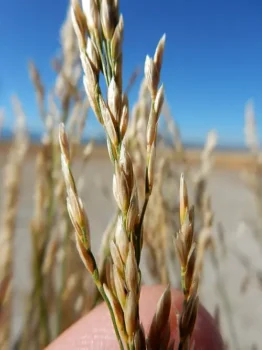
Northern bluegrass stands out with its fine-textured, bluish-green foliage that forms attractive loose tufts. During its blooming season, delicate open panicles of small flowers create an airy, naturalistic appearance that moves beautifully in the breeze. While it may not have the showstopper appeal of wildflowers, this grass provides the kind of subtle backbone that makes native plant communities look authentic and feel complete.
Where Northern Bluegrass Calls Home
This resilient grass is truly a child of the North American West. You’ll find it naturally growing from the wilds of Alaska down through western Canada and into the mountainous regions of the lower 48 states, including Colorado, Idaho, Montana, Oregon, Utah, and Washington. It’s also found in the Canadian provinces of Alberta and British Columbia.
- Species observed
- No observations
A Note About Rarity
Before you rush out to plant northern bluegrass, there’s something important to consider. This species has a somewhat uncertain conservation status (listed as S3?Q), which suggests it may be uncommon in parts of its range. If you decide to grow northern bluegrass, make sure you source your seeds or plants from reputable native plant nurseries that use responsibly collected material. Never harvest from wild populations.
Growing Northern Bluegrass Successfully
The good news is that northern bluegrass is relatively straightforward to grow if you can meet its basic needs:
- Climate: Thrives in USDA hardiness zones 2-7, making it perfect for cooler regions
- Light: Adaptable to partial shade through full sun conditions
- Soil: Prefers well-draining soils but can handle various soil types
- Moisture: Enjoys cool, moist conditions but established plants show good drought tolerance
Planting and Care Tips
Northern bluegrass is typically grown from seed, which should be sown in fall or early spring for best results. Once established, this low-maintenance grass requires minimal care—just occasional watering during extended dry spells and perhaps some light fertilization in poor soils.
One of the best things about this grass is its adaptability to moisture conditions. Depending on your region, it can handle both wetland and upland conditions, though it generally prefers non-wetland sites in most of its range.
Perfect Garden Roles
Northern bluegrass shines in several landscape applications:
- Native plant and meadow gardens where authentic regional character is desired
- Restoration projects aimed at reestablishing natural plant communities
- Wildlife gardens where you want to provide habitat while maintaining a naturalistic look
- Erosion control on slopes, particularly in cooler, moister microclimates
Wildlife and Ecological Benefits
While northern bluegrass is wind-pollinated and doesn’t directly attract pollinators like showy wildflowers do, it plays important ecological roles. Native grasses like this one provide habitat structure, seeds for wildlife, and help create the diverse plant communities that support various insects and small animals.
Should You Grow Northern Bluegrass?
If you live within its native range and want to create authentic, low-maintenance naturalistic plantings, northern bluegrass can be a wonderful addition to your landscape palette. Its subtle beauty and ecological value make it particularly appealing for gardeners interested in supporting regional biodiversity.
Just remember to source your plants responsibly and consider it as part of a diverse native plant community rather than a standalone feature. When combined with appropriate native wildflowers, shrubs, and other grasses, northern bluegrass helps create the kind of resilient, beautiful landscapes that both people and wildlife can appreciate for years to come.