Northern Bog Bedstraw: A Delicate Native for Wetland Gardens
If you’re looking to create a naturalistic wetland garden or restore a boggy area on your property, northern bog bedstraw (Galium labradoricum) might be the perfect delicate groundcover you’ve been seeking. This charming native perennial brings understated beauty to consistently wet areas where many other plants struggle to thrive.
What is Northern Bog Bedstraw?
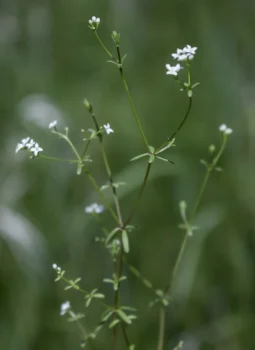
Northern bog bedstraw is a low-growing perennial forb that belongs to the bedstraw family. As its common name suggests, this plant has a particular affinity for boggy, wetland conditions. It’s characterized by its fine, linear leaves arranged in whorls around square stems and tiny white flowers that bloom in loose, airy clusters.
This native species forms a delicate mat-like groundcover that rarely grows more than a few inches tall, making it an excellent choice for areas where you want subtle texture without overwhelming taller wetland plants.
Native Range and Distribution
Northern bog bedstraw is truly a North American native, found naturally across an impressive range that spans from coast to coast. Its native territory includes much of Canada, from British Columbia to Newfoundland, as well as the northern United States from Maine to Minnesota and as far south as New Jersey and Pennsylvania.
This extensive distribution reflects the plant’s adaptation to the cool, wet conditions found in northern bogs, marshes, and wetland edges throughout these regions.
- Species observed
- No observations
Important Conservation Note
Before considering adding northern bog bedstraw to your garden, it’s crucial to know that this species faces conservation challenges in some areas. In New Jersey, it’s listed as Endangered with an S1 rarity status, meaning it’s critically imperiled in that state. If you’re interested in growing this plant, please ensure you source it only from reputable native plant nurseries that use responsibly propagated material—never collect from wild populations.
Why Grow Northern Bog Bedstraw?
Northern bog bedstraw serves several valuable purposes in the right garden setting:
- Wetland specialist: This plant thrives in consistently wet conditions where many other species fail
- Low maintenance: Once established in suitable conditions, it requires minimal care
- Pollinator support: Its small white flowers attract beneficial insects like flies and small native bees
- Naturalistic appeal: Perfect for creating authentic-looking bog or wetland gardens
- Groundcover function: Forms a delicate living carpet in wet areas
Ideal Growing Conditions
Northern bog bedstraw is quite specific about its growing requirements, which makes it perfect for challenging wet spots but unsuitable for typical garden beds:
- Moisture: Requires consistently moist to wet soil—this plant is classified as an obligate wetland species
- Soil: Prefers acidic, organic-rich soils typical of bog environments
- Light: Grows well in full sun to partial shade
- Hardiness: Suitable for USDA zones 2-6, reflecting its northern origins
Perfect Garden Settings
Northern bog bedstraw isn’t for every garden, but it shines in specific situations:
- Bog gardens and constructed wetlands
- Rain gardens with consistently moist conditions
- Naturalized wetland restoration projects
- Edges of ponds or water features
- Low, wet areas that stay consistently damp
Planting and Care Tips
Successfully growing northern bog bedstraw is all about meeting its moisture needs:
- Site preparation: Ensure your planting area stays consistently moist to wet year-round
- Soil amendments: Add organic matter like peat or compost to create acidic, nutrient-rich conditions
- Planting: Spring planting gives the best establishment results
- Watering: In suitable wet sites, supplemental watering shouldn’t be necessary
- Maintenance: Minimal care required once established—avoid fertilizers which can disrupt wetland plant communities
Is Northern Bog Bedstraw Right for Your Garden?
Northern bog bedstraw is an excellent choice if you have consistently wet areas and want to create authentic wetland habitat. However, it’s not suitable for typical garden beds or areas that dry out seasonally. Its specialized requirements make it a plant for dedicated wetland gardeners rather than general landscaping.
If you have the right conditions and can source plants responsibly, northern bog bedstraw offers a unique opportunity to grow a truly specialized native plant that supports local ecosystems while adding delicate beauty to wet areas of your landscape.