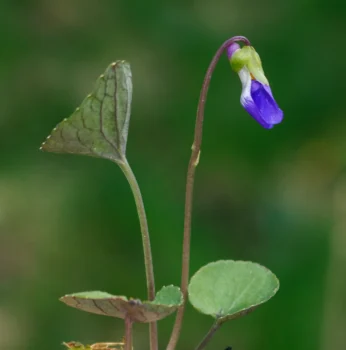
Northern Bog Violet: A Charming Native for Your Wet Garden Spots
If you’ve ever struggled with those perpetually soggy spots in your garden, meet your new best friend: the northern bog violet (Viola nephrophylla). This delightful native wildflower doesn’t just tolerate wet feet – it absolutely thrives in them! With its cheerful purple-blue blooms and heart-shaped leaves, this little charmer proves that wet areas don’t have to be gardening headaches.
What Makes Northern Bog Violet Special?
This hardy perennial forb (that’s plant-speak for a non-woody flowering plant) is as tough as it is pretty. Growing as a low mat of heart-shaped leaves topped with dainty violet flowers, it brings a touch of woodland magic to even the soggiest garden spots. The flowers typically appear from late spring through early summer, creating carpets of purple that would make any gardener smile.
You might also encounter this plant under various botanical synonyms including Viola pratincola and Viola retusa, but they’re all referring to the same wonderful little violet.
Where Does It Call Home?
Talk about a well-traveled native! Northern bog violet has one of the most impressive natural ranges you’ll find, spanning from coast to coast and border to border. It’s native to both Canada and the lower 48 states, thriving everywhere from Alberta to Arizona, Maine to California, and just about everywhere in between. You’ll find it growing wild in all sorts of places – from the prairie provinces of Canada down to the southwestern deserts of the United States.
- Species observed
- No observations
Perfect for Challenging Garden Spots
Here’s where northern bog violet really shines in the garden world. Remember those problem areas where other plants throw in the towel? The spots that stay consistently moist or even boggy? That’s exactly where this violet feels at home.
Its wetland status tells the whole story – across every region of North America, it’s classified as Facultative Wetland, meaning it usually grows in wetlands but can handle drier conditions too. This flexibility makes it incredibly valuable for gardeners dealing with variable moisture conditions.
Garden Design Ideas
Northern bog violet works beautifully in several garden settings:
- Rain gardens – Perfect for managing stormwater runoff while looking gorgeous
- Bog gardens – An obvious choice for these specialized wet-loving plant communities
- Woodland gardens – Creates natural-looking groundcover under trees
- Naturalized areas – Helps establish native plant communities
- Pond edges – Softens hardscaping around water features
Growing Northern Bog Violet Successfully
The beauty of this native violet lies in its easy-going nature. Hardy in USDA zones 2-8, it can handle everything from brutal northern winters to warm southern summers. Here’s how to keep it happy:
Light Requirements: While it can handle full sun, northern bog violet generally prefers partial shade, especially in hotter climates.
Soil Needs: The key word here is moist. This plant wants consistently damp soil and will thank you for it with robust growth and abundant flowers. It’s not picky about soil type – clay, loam, or sandy soils all work fine as long as they stay reasonably moist.
Planting Tips: Spring planting gives the best results. Space plants about 6-12 inches apart if you’re creating a groundcover effect, though this violet will eventually spread on its own through underground rhizomes.
Maintenance: Here’s the best part – once established, northern bog violet is remarkably low-maintenance. Just ensure it doesn’t dry out completely during extended dry spells, and it’ll pretty much take care of itself.
Wildlife Benefits
Planting northern bog violet isn’t just good for your garden – it’s a gift to local wildlife too. The flowers attract small pollinators including native bees and flies, while butterflies appreciate both the nectar and the plant’s role as a host for fritillary butterfly caterpillars. It’s these kinds of native plant relationships that help support healthy local ecosystems.
Is Northern Bog Violet Right for Your Garden?
If you have consistently moist areas in your garden and want a low-maintenance native that supports local wildlife, northern bog violet could be your perfect match. It’s particularly valuable for gardeners looking to create sustainable landscapes that work with natural water patterns rather than against them.
The only gardeners who might want to think twice are those with bone-dry gardens or very formal landscapes where a spreading groundcover might not fit the design aesthetic. But for everyone else dealing with wet spots, drainage challenges, or simply wanting to add more native plants to their landscape, northern bog violet offers a charming, practical solution.
Sometimes the best garden solutions come in small, unassuming packages – and northern bog violet is proof that native plants can solve problems while adding beauty to your outdoor space.