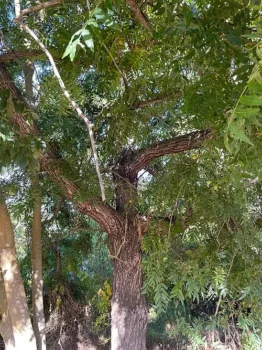
Northern California Walnut: A Rare Native Giant Worth Saving
Meet the Northern California walnut (Juglans hindsii), a magnificent native tree that’s as rare as it is remarkable. This towering beauty once graced California’s Central Valley and Bay Area, but today it’s fighting for survival in the wild. If you’re a gardener with space to spare and a passion for conservation, this could be the perfect tree to make a real difference while creating a stunning landscape focal point.
A Tree with Deep California Roots
The Northern California walnut is a true California native, originally found in the state’s Central Valley and San Francisco Bay Area, with some populations extending into southern Oregon. This perennial giant is perfectly adapted to the Mediterranean climate of its homeland, making it an ideal choice for gardeners looking to create authentic native landscapes.
- Species observed
- No observations
Why This Tree Deserves Your Attention
Here’s where things get serious – and why every conservation-minded gardener should take note. The Northern California walnut carries a Global Conservation Status of S1, meaning it’s critically imperiled. With fewer than 1,000 individuals remaining in the wild and only five or fewer natural occurrences, this tree is teetering on the brink of extinction.
Important note: If you choose to plant this species, please ensure you source your tree from a reputable native plant nursery that uses responsibly collected seeds or sustainably propagated stock. Never collect from wild populations.
What Makes This Walnut Special
Don’t let the name fool you – while it produces edible nuts, the Northern California walnut is primarily valued for its impressive stature and ecological importance. This deciduous giant can reach heights of 50-90 feet with a spread nearly as wide, creating a magnificent canopy that provides substantial shade and seasonal interest.
Key characteristics include:
- Compound leaves that turn golden-yellow in fall
- Impressive size suitable for large properties
- Edible walnuts (though smaller than commercial varieties)
- Beautiful bark texture that adds winter interest
- Long-lived specimen that can become a family heirloom
Is This Tree Right for Your Garden?
The Northern California walnut isn’t for everyone, and that’s perfectly okay. This tree works best in specific situations:
Perfect for:
- Large properties with plenty of space
- Parks and public spaces
- Restoration projects
- Food forest or permaculture designs
- Gardeners committed to native plant conservation
Not ideal for:
- Small urban lots
- Areas near power lines
- Formal, manicured landscapes
- Gardeners wanting quick results (this tree takes time to establish)
Growing Your Northern California Walnut
This native beauty is surprisingly adaptable, thriving in USDA hardiness zones 8-10. It has a facultative wetland status, meaning it can handle both moist and drier conditions once established, though it prefers consistent moisture during its early years.
Ideal growing conditions:
- Full sun exposure
- Deep, well-draining soil
- Regular water during establishment (first 3-5 years)
- Space to grow – plan for at least 40-60 feet from structures
- Protection from strong winds when young
Planting and Care Tips
Successfully growing a Northern California walnut requires patience and proper planning:
Planting:
- Plant in early fall or late winter for best establishment
- Dig a hole twice as wide as the root ball but no deeper
- Water deeply and regularly for the first few years
- Mulch around the base to retain moisture and suppress weeds
Ongoing care:
- Minimal pruning needed – remove dead or damaged branches
- Deep, infrequent watering once established
- Be patient – this tree grows slowly but steadily
- Watch for and address any pest issues early
Supporting Wildlife and Ecosystems
While specific wildlife benefit data for this species is limited, as a native California tree, the Northern California walnut likely supports local bird species, small mammals, and beneficial insects. The nuts provide food for wildlife, and the large canopy offers nesting sites and shelter.
The Conservation Connection
By choosing to plant a Northern California walnut, you’re doing more than just adding a tree to your landscape – you’re participating in conservation. Every responsibly sourced tree planted helps preserve the genetic diversity of this critically endangered species and potentially provides seeds for future conservation efforts.
This isn’t just gardening; it’s activism with roots. And in a world where native species face increasing pressure, that makes the Northern California walnut not just a beautiful addition to the right landscape, but a meaningful one too.
Remember, great things take time, and this remarkable tree is no exception. But for gardeners with space, patience, and a conservation mindset, the Northern California walnut offers the chance to grow something truly special – a living piece of California’s natural heritage.