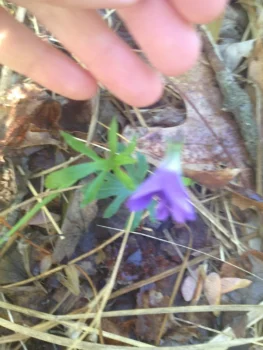
Northern Coastal Violet: A Charming Native Groundcover for Shade Gardens
If you’re looking for a delicate, low-maintenance native plant to brighten up those tricky shaded spots in your garden, meet the northern coastal violet (Viola brittoniana). This charming little perennial might just be the perfect addition to your native plant palette, offering both beauty and ecological benefits in one petite package.
What Makes Northern Coastal Violet Special?
The northern coastal violet is a true native treasure, naturally occurring across the eastern United States from Maine down to South Carolina. You’ll find this lovely violet thriving in states including Connecticut, Delaware, Maine, Maryland, Massachusetts, New Jersey, New York, North Carolina, Pennsylvania, South Carolina, and Virginia. Its coastal origins hint at its adaptability and resilience – traits that make it an excellent choice for home gardeners.
- Species observed
- No observations
As a perennial forb (that’s garden-speak for a non-woody flowering plant), this violet returns year after year, gradually spreading to form attractive colonies. Unlike some of its more aggressive cousins, the northern coastal violet maintains good garden manners while still providing reliable coverage.
A Plant That Works Hard for Your Garden
What really sets this violet apart is its versatility when it comes to moisture conditions. The northern coastal violet has what botanists call a facultative wetland status across its range, meaning it’s equally happy in moist areas and regular garden soil. This flexibility makes it particularly valuable for gardeners dealing with inconsistent moisture levels or areas that occasionally flood.
Perfect Spots for Northern Coastal Violet
This adaptable native shines in several garden settings:
- Woodland gardens where it can naturalize among ferns and wildflowers
- Shaded border edges that need gentle groundcover
- Rain gardens or areas with occasional standing water
- Native plant gardens focused on supporting local ecosystems
- Coastal landscapes where salt tolerance is beneficial
Growing Northern Coastal Violet Successfully
The good news? This violet is refreshingly low-maintenance. Here’s what you need to know to keep it happy:
Growing Conditions: Northern coastal violet prefers partial to full shade and moist, well-draining soil enriched with organic matter. It’s hardy in USDA zones 5-8, making it suitable for most temperate gardens.
Planting Tips: Plant in spring or fall, spacing plants about 6-12 inches apart. Work some compost into the planting area to improve soil structure and moisture retention. Water regularly the first season to help establish strong root systems.
Ongoing Care: Once established, northern coastal violet is quite self-sufficient. Water during extended dry periods, and add a light layer of organic mulch to help retain moisture. The plant may self-seed modestly, gradually expanding its presence in suitable conditions.
Supporting Local Wildlife
Beyond its garden appeal, northern coastal violet serves as an important food source for native pollinators. Small bees, butterflies, and other beneficial insects visit the flowers, while some fritillary butterfly species use violets as host plants for their caterpillars. By planting this native violet, you’re creating habitat and supporting the intricate web of relationships that make healthy ecosystems function.
Is Northern Coastal Violet Right for Your Garden?
Northern coastal violet deserves serious consideration if you’re looking to create a more sustainable, wildlife-friendly landscape. Its combination of native heritage, ecological benefits, and low-maintenance nature makes it an excellent choice for gardeners who want beauty without the fuss.
This violet works particularly well for gardeners in its native range who are transitioning away from high-maintenance non-native groundcovers. While it won’t provide the bold impact of some showier plants, its gentle presence and reliable performance make it a valuable team player in native plant communities.
Consider adding northern coastal violet to your shade garden – your local pollinators will thank you, and you’ll gain a charming, resilient groundcover that truly belongs in your landscape.