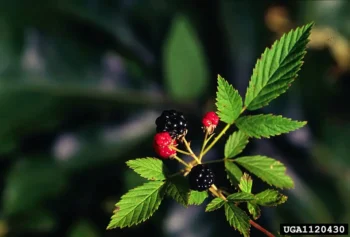
Northern Dewberry: A Native Ground Cover That Wildlife (and You) Will Love
If you’re looking for a low-maintenance native plant that doubles as a wildlife buffet, let me introduce you to the northern dewberry (Rubus flagellaris). This unassuming little shrub might not win any beauty contests, but it’s a powerhouse when it comes to supporting local ecosystems while requiring minimal fuss from gardeners.
What Exactly Is Northern Dewberry?
Northern dewberry is a native perennial shrub that stays refreshingly low to the ground – typically under 1.5 feet tall and never exceeding 3 feet. Think of it as the humble cousin of the raspberry, trailing along the ground with its cane-like stems rather than growing upright. Don’t let its modest stature fool you, though – this little plant packs a serious ecological punch.
Where Does It Call Home?
This adaptable native has quite the impressive resume when it comes to geographic distribution. Northern dewberry naturally occurs across a vast swath of North America, from southeastern Canada down to Florida and from the Atlantic coast west to Texas and Nebraska. You’ll find it thriving in states from Maine to Mississippi, making it one of those wonderfully widespread natives that feels at home almost anywhere in the eastern two-thirds of the continent.
- Species observed
- No observations
A Special Note About Rarity
Here’s something important to keep in mind: while northern dewberry is widespread across its range, it has a rarity status of Highlands Listed, S1 in New Jersey. This means it’s quite rare in that particular state. If you’re gardening in New Jersey and want to grow this species, please make sure to source your plants responsibly from reputable native plant nurseries rather than collecting from wild populations.
Why Your Garden (and Local Wildlife) Will Thank You
Northern dewberry is like hosting a neighborhood potluck for wildlife. According to research, this generous little plant provides 10-25% of the diet for large animals, small mammals, and terrestrial birds. The berries are edible for humans too – they taste similar to blackberries but are typically smaller and have fewer drupelets.
The flowers, which appear in late spring, are magnets for native bees, butterflies, and other pollinators. These small white blooms might not be showstoppers, but they’re exactly what our native insects are looking for.
Where Northern Dewberry Shines in Your Landscape
This plant is perfect if you’re going for that naturalized look rather than formal landscaping. Here’s where it really excels:
- Wildlife gardens and habitat restoration projects
- Naturalized areas where you want low-maintenance ground cover
- Woodland gardens and shaded borders
- Erosion control on slopes and hillsides
- Native plant gardens focused on regional species
Growing Conditions: Pretty Much Anywhere
One of the best things about northern dewberry is its whatever attitude toward growing conditions. This adaptable plant handles:
- Various soil types and pH levels
- Partial shade to full sun (though it appreciates some afternoon shade in hotter climates)
- Different moisture levels, from occasionally wet areas to drought conditions once established
- USDA hardiness zones 3-8
The wetland status varies by region, but generally, it’s classified as facultative upland, meaning it usually grows in non-wetland areas but can tolerate some moisture. In coastal plains, it’s even more of an upland specialist.
Planting and Care: Less Is More
Here’s the best part about northern dewberry – it practically takes care of itself:
- Planting: Spring or fall are ideal times. Give plants about 3-4 feet of space since they’ll spread via runners
- Watering: Water regularly the first year, then let Mother Nature take over
- Maintenance: Minimal pruning needed, mainly to control spread if desired
- Fertilizing: Generally unnecessary – this plant thrives on benign neglect
The Reality Check
Let’s be honest – northern dewberry isn’t going to win you any landscaping awards. It’s not particularly showy, and it can spread more than some gardeners prefer. The trailing stems can also catch on clothing or tools if you’re not paying attention.
But if you’re gardening for wildlife, looking for native ground cover, or want a plant that genuinely doesn’t need babying, northern dewberry delivers in spades. Plus, there’s something deeply satisfying about growing a plant that feeds everything from songbirds to small mammals while asking for virtually nothing in return.
The Bottom Line
Northern dewberry might not be the flashiest plant in your garden, but it’s definitely one of the most generous. If you have space for a low-maintenance native that supports local wildlife while providing you with the occasional berry snack, this unassuming little ground cover deserves serious consideration. Just remember to source responsibly, especially if you’re gardening in areas where it’s less common.