Northern Selaginella: The Tiny Ancient Wonder for Your Rock Garden
Meet northern selaginella (Selaginella rupestris), a fascinating little plant that’s been around since way before flowers were even a thing! This tiny, moss-like wonder might look simple, but it’s actually a living piece of botanical history that can add unique texture and year-round interest to your garden.
What Exactly Is Northern Selaginella?
Don’t let its moss-like appearance fool you – northern selaginella isn’t actually a moss at all! It’s what botanists call a spike moss or club moss, belonging to an ancient group of plants called lycopods. These primitive plants reproduce through spores instead of flowers and seeds, making them botanical time travelers from the age of dinosaurs.
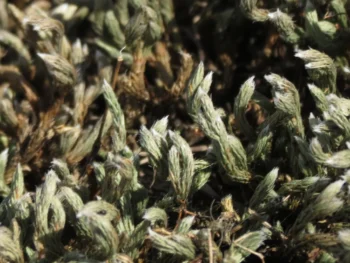
Northern selaginella forms dense, cushiony mats of tiny, scale-like leaves that hug the ground. The plant rarely grows taller than a few inches, but it can spread to create lovely carpets of green. Come winter, many gardeners are delighted to discover that this little plant puts on quite a show, turning beautiful shades of bronze and reddish-brown.
Where Does It Call Home?
This hardy native has one of the most impressive ranges you’ll find in North American plants. Northern selaginella naturally grows across Canada, Greenland, and throughout most of the lower 48 states, from Alberta to Alabama and everywhere in between. You can find it growing wild in states like Connecticut, Illinois, Kansas, Maine, North Carolina, Texas, and dozens of others.
- Species observed
- No observations
However, it’s worth noting that in some areas like Alabama and New Jersey, northern selaginella has become quite rare and holds special conservation status. If you live in these regions and want to grow it, make sure you source your plants from reputable native plant nurseries rather than collecting from the wild.
Is It Good for Your Garden?
Absolutely! Northern selaginella can be a fantastic addition to the right garden setting. Here’s why you might want to consider this ancient little charmer:
- Rock garden superstar: It thrives in rocky crevices and poor soils where other plants struggle
- Low maintenance: Once established, it’s incredibly drought tolerant and requires minimal care
- Year-round interest: The seasonal color change from green to bronze adds visual appeal through winter
- Unique texture: Its fine, scale-like foliage creates interesting contrast with other plants
- Native plant: Supports local ecosystems and requires no special amendments to thrive
Perfect Garden Situations
Northern selaginella isn’t for every garden situation, but it absolutely shines in these settings:
- Rock gardens and alpine gardens
- Crevice gardens and stone walls
- Xerophytic (drought-tolerant) landscapes
- Naturalistic gardens mimicking prairie or woodland edges
- Areas with poor, well-draining soil
How to Identify Northern Selaginella
Spotting northern selaginella is pretty straightforward once you know what to look for:
- Size: Forms low mats, typically only 1-4 inches tall
- Leaves: Tiny, overlapping, scale-like leaves that are densely packed
- Growth pattern: Spreads horizontally to form cushions or mats
- Seasonal color: Green in growing season, bronze to reddish-brown in winter
- Habitat: Usually found on rocks, in crevices, or in sandy, well-draining soil
- No flowers: Never produces flowers – reproduces via tiny spores
Growing Conditions and Care
The beauty of northern selaginella lies in its simplicity. This plant thrives in USDA hardiness zones 3-8 and prefers:
- Soil: Well-draining, sandy or rocky soil; avoid rich, heavy soils
- Water: Drought tolerant once established; actually prefers drier conditions
- Light: Full sun to partial shade
- Maintenance: Virtually none required once established
The key to success with northern selaginella is remembering that it’s adapted to tough conditions. Overwatering or overfertilizing will likely do more harm than good. Think tough love – give it good drainage and then mostly leave it alone!
A Word About Conservation
If you’re gardening in areas where northern selaginella is rare (like certain parts of Alabama or New Jersey), please source your plants responsibly from native plant nurseries. Never collect plants from wild populations, as this can further threaten already vulnerable communities.
Northern selaginella might be small, but it’s a big player in the world of unique, low-maintenance native plants. Whether you’re looking to add ancient charm to your rock garden or need a tough groundcover for challenging spots, this little botanical time traveler might just be the perfect addition to your landscape.