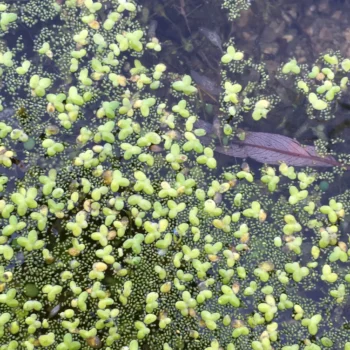
Northern Watermeal: The Tiny Native Plant That’s Making Big Waves in Water Gardens
Meet northern watermeal (Wolffia borealis), quite possibly the most overlooked native plant in North America – and that’s saying something, considering it’s also one of the world’s smallest flowering plants! This diminutive aquatic wonder might not win any beauty contests at first glance, but don’t let its size fool you. This little green speck packs a surprising punch when it comes to ecological benefits and unique garden appeal.
What Exactly Is Northern Watermeal?
Northern watermeal is a perennial forb that belongs to the duckweed family. Unlike typical garden plants, this native species spends its entire life floating on the surface of freshwater bodies. Each individual plant is barely visible to the naked eye – we’re talking smaller than a pinhead! But what it lacks in size, it makes up for in numbers, often forming extensive green carpets across ponds and slow-moving waterways.
This fascinating plant is native to both Canada and the lower 48 United States, making it a true North American native. You can find it naturally occurring across an impressive range of states and provinces, from Alberta and British Columbia in the north to California and North Carolina in the south, and everywhere in between.
- Species observed
- No observations
The Case for Growing Northern Watermeal
Now, you might be wondering why anyone would want to intentionally grow what essentially looks like green pond scum. Here’s the thing – northern watermeal is an ecological powerhouse that deserves serious consideration for the right water feature.
Environmental Benefits
- Provides natural water filtration by absorbing excess nutrients
- Helps prevent algae blooms by competing for the same resources
- Creates habitat for small aquatic creatures
- Produces oxygen through photosynthesis
Garden Applications
- Perfect for natural-style water gardens and wildlife ponds
- Excellent choice for ecological restoration projects
- Requires virtually no maintenance once established
- Extremely hardy across USDA zones 3-9
The Reality Check: Is This Plant Right for You?
Let’s be honest – northern watermeal isn’t for everyone. If you’re looking for showy flowers or dramatic foliage, this isn’t your plant. Its appeal lies in its function rather than its form. This plant is best suited for gardeners who prioritize native ecosystems and natural water management over ornamental beauty.
It’s also worth noting that watermeal can spread quite readily under favorable conditions. While this isn’t necessarily a bad thing in natural settings, it might not be ideal for formal water features where precise control is desired.
Growing Northern Watermeal Successfully
The good news? Growing northern watermeal is refreshingly simple. As an obligate wetland plant, it has very specific but straightforward requirements.
Ideal Growing Conditions
- Water requirements: Still or very slow-moving freshwater
- Light: Full sun to partial shade
- pH: 6.0-8.0 (fairly tolerant of pH variations)
- Temperature: Hardy in zones 3-9
Planting and Care Tips
- Simply introduce plants to suitable water – they’ll float naturally on the surface
- No soil or planting medium required
- Ensure water doesn’t freeze solid in winter (plants can survive under ice)
- Monitor population growth and thin if necessary
- Avoid using in treated pools or chlorinated water
The Wildlife Connection
While northern watermeal might not be a pollinator magnet (its flowers are tiny and wind-pollinated), it serves important ecological functions. The dense mats provide shelter for small fish, amphibian larvae, and countless microscopic organisms that form the base of aquatic food webs.
Is Northern Watermeal Right for Your Garden?
Northern watermeal is an excellent choice if you have a natural pond, wildlife water feature, or are involved in wetland restoration. It’s particularly valuable for gardeners who want to support native ecosystems and don’t mind a more naturalistic, less manicured appearance.
However, it’s probably not the best fit for formal water gardens, small decorative fountains, or situations where you want tight control over plant populations. Consider your goals and aesthetic preferences carefully before introducing this enthusiastic little native.
If you do decide to give northern watermeal a try, you’ll be supporting a fascinating piece of North American aquatic heritage – and your local ecosystem will thank you for it!