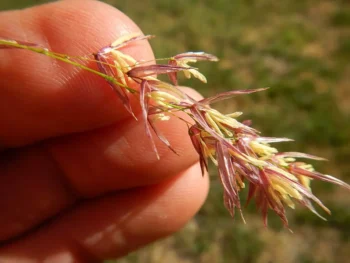
Northern Wildrice: A Magnificent Native Grass for Wetland Gardens
If you’re looking to add drama and ecological value to your wetland garden, northern wildrice (Zizania palustris) might just be the show-stopping native grass you’ve been searching for. This remarkable annual graminoid brings both beauty and function to water-loving landscapes across North America.
What Makes Northern Wildrice Special?
Northern wildrice is a true native treasure, naturally occurring throughout Canada and the lower 48 states. You’ll find this adaptable grass thriving in an impressive range of locations, from Alabama to British Columbia, and from Arizona to Vermont. Its extensive geographical distribution speaks to its resilience and adaptability.
- Species observed
- No observations
As an obligate wetland species across all regions of North America, northern wildrice has evolved to thrive in consistently wet conditions. This makes it an invaluable plant for gardeners dealing with soggy spots that challenge most other species.
Garden Appeal and Design Role
Don’t let the word grass fool you into thinking this plant is boring. Northern wildrice can reach impressive heights of 6-10 feet, creating stunning vertical elements in wetland gardens. Its graceful, arching stems topped with distinctive seed heads add movement and texture that’s hard to match.
This grass excels in several garden settings:
- Rain gardens and bioswales
- Pond and stream margins
- Bog gardens
- Wetland restoration projects
- Natural swimming pool plantings
Wildlife and Ecological Benefits
While northern wildrice is wind-pollinated and doesn’t directly attract pollinators like flowering plants do, it provides tremendous value to wildlife ecosystems. The dense stands offer excellent nesting habitat for waterfowl and other wetland birds. The nutritious seeds are prized by ducks, geese, and countless other wildlife species – hence the common name wildrice.
Growing Conditions and Care
Northern wildrice is surprisingly easy to grow if you can meet its one non-negotiable requirement: consistent moisture. Here’s what this wetland specialist needs to thrive:
- Light: Full sun to partial shade
- Water: Consistently wet to flooded conditions
- Soil: Tolerates various soil types as long as they stay saturated
- pH: Adaptable to pH levels between 6.0-8.0
- Hardiness: USDA zones 3-8
Planting and Propagation Tips
As an annual, northern wildrice completes its entire life cycle in one growing season, but don’t worry – it’s excellent at self-seeding under the right conditions. Here’s how to get started:
- Direct seed in fall or early spring when soil temperatures are cool
- Plant seeds in shallow water (1-6 inches deep) or saturated soil
- No scarification needed – seeds germinate readily in wet conditions
- Allow some plants to go to seed for natural regeneration
- Minimal fertilization needed in rich wetland soils
Is Northern Wildrice Right for Your Garden?
Consider northern wildrice if you have:
- A consistently wet area that’s challenging to plant
- A pond, stream, or rain garden needing vegetation
- Interest in supporting native wildlife
- Appreciation for tall, architectural plants
- A restoration or naturalization project
However, this might not be the plant for you if you’re looking for a low-water garden option or need something for dry, upland areas. Northern wildrice is committed to wetland life and won’t compromise on its moisture requirements.
The Bottom Line
Northern wildrice offers gardeners a unique opportunity to grow a plant that’s both beautiful and deeply rooted in North American ecosystems. While it requires specific growing conditions, those lucky enough to have the right wet spot will find this native grass to be a rewarding, low-maintenance addition that brings both visual interest and ecological value to their landscape. Plus, there’s something quite magical about growing a plant that’s sustained people and wildlife for thousands of years!