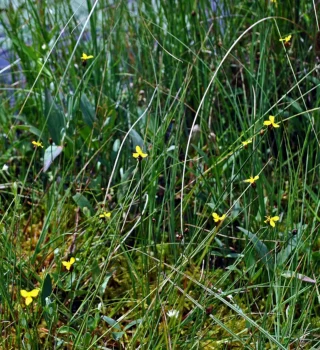
Northern Yelloweyed Grass: A Rare Jewel for Your Bog Garden
If you’ve ever dreamed of creating a authentic wetland garden that buzzes with native life, northern yelloweyed grass (Xyris montana) might just be the delicate beauty you’ve been searching for. This perennial forb brings a touch of wild bog magic to specialized garden spaces, though its rarity means you’ll need to approach it with extra care and responsibility.
What Makes Northern Yelloweyed Grass Special?
Northern yelloweyed grass is a charming native perennial that produces small, bright yellow flowers atop slender stems rising from grass-like foliage. Don’t let the name fool you – while it looks grass-like, this plant is actually a forb, which means it lacks the woody tissue of shrubs and trees but packs plenty of personality into its delicate frame.
As a native species, Xyris montana has been quietly supporting North American ecosystems for thousands of years. It’s perfectly adapted to our climate and provides valuable resources for local wildlife that non-native plants simply can’t match.
Where Does It Call Home?
This lovely plant has quite an impressive native range, stretching across Canada and the northern United States. You’ll find it naturally occurring in New Brunswick, Nova Scotia, Ontario, Quebec, Newfoundland, and down through states like Connecticut, Maine, Massachusetts, Michigan, Minnesota, New Hampshire, New Jersey, New York, Pennsylvania, Rhode Island, Vermont, and Wisconsin.
- Species observed
- No observations
A Word of Caution: Rarity Matters
Here’s where we need to have a serious conversation. Northern yelloweyed grass is listed as endangered in New Jersey with a rarity status of S1.1, meaning it’s critically rare in that state. If you’re considering adding this plant to your garden, you absolutely must source it responsibly from reputable native plant nurseries that propagate their own stock – never collect from wild populations.
This rarity actually makes it even more special to grow, as you’ll be helping preserve a piece of North America’s natural heritage right in your backyard.
The Perfect Spot in Your Garden
Northern yelloweyed grass isn’t your typical garden center perennial – it’s a specialist that thrives in very specific conditions. This plant is classified as an obligate wetland species across all regions where it grows, meaning it almost always occurs in wetlands and needs consistently moist to wet conditions to survive.
Here’s what this beauty needs to thrive:
- Full sun to partial shade
- Consistently moist to wet, acidic soil (pH 4.5-6.0)
- Bog-like conditions with good drainage but constant moisture
- USDA hardiness zones 3-7
Garden Design Ideas
Northern yelloweyed grass shines in specialized garden settings:
- Bog gardens: Perfect for dedicated bog garden installations
- Rain gardens: Excellent choice for areas that collect runoff
- Wetland restoration projects: Ideal for naturalizing wet areas
- Native plant gardens: A conversation starter among native plant enthusiasts
Planting and Care Tips
Growing northern yelloweyed grass successfully requires mimicking its natural bog habitat:
- Soil preparation: Create acidic, organic-rich soil using peat moss and compost
- Watering: Use rainwater when possible, as tap water may be too alkaline
- Fertilization: Minimal fertilization needed – bog plants prefer nutrient-poor conditions
- Maintenance: Very low maintenance once established in proper conditions
Supporting Wildlife
While specific wildlife benefits for northern yelloweyed grass aren’t well-documented, its small yellow flowers attract native pollinators including small bees and flies. As part of the wetland ecosystem, it likely provides habitat and food sources for various insects and potentially serves as nesting material for small birds.
Is Northern Yelloweyed Grass Right for You?
This plant is perfect for gardeners who:
- Have wet, acidic soil conditions or want to create a bog garden
- Are passionate about growing rare native plants
- Want to support local ecosystems and pollinators
- Enjoy the challenge of specialized gardening
- Can commit to sourcing plants responsibly
However, it might not be the best choice if you:
- Have typical garden soil without the ability to create bog conditions
- Prefer low-maintenance plants (though it’s low-maintenance once established)
- Want immediate, dramatic garden impact
The Bottom Line
Northern yelloweyed grass offers gardeners a chance to grow a truly special native plant while contributing to conservation efforts. Its delicate beauty and ecological value make it worth the extra effort required to create proper growing conditions. Just remember – with great rarity comes great responsibility. Source ethically, plant thoughtfully, and enjoy watching this little piece of North American bog history thrive in your garden.
Ready to dive into the wonderful world of bog gardening? Northern yelloweyed grass might just be your gateway plant to an entirely new gardening adventure!