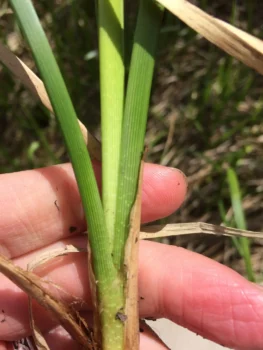
Northwest Territory Sedge: A Native Wetland Wonder for Your Garden
If you’re looking to add authentic North American character to your wet garden spaces, Northwest Territory sedge (Carex utriculata) might just be your new best friend. This unassuming but incredibly useful native sedge has been quietly doing its job across the continent for millennia – and it’s ready to do the same in your landscape.
What Is Northwest Territory Sedge?
Northwest Territory sedge is a perennial grass-like plant that belongs to the sedge family. Don’t let the grass-like description fool you into thinking it’s boring – this is one hardworking plant! Growing up to 3.5 feet tall with a moderate growth rate, it forms attractive clumps that spread slowly via underground rhizomes, creating naturalized colonies over time.
You might also encounter this plant listed under several scientific synonyms in older references, including Carex inflata var. utriculata and Carex rhynchophysa, but Carex utriculata is the accepted name today.
Where Does It Naturally Grow?
Talk about a well-traveled native! Northwest Territory sedge boasts one of the most impressive native ranges you’ll find. It’s naturally found across Alaska, most of Canada (from British Columbia to Newfoundland), and throughout much of the United States – from coast to coast and border to border. Whether you’re gardening in California, Maine, Montana, or Florida, chances are this sedge considers your area home.
- Species observed
- No observations
One important note for New Jersey gardeners: this species has a special conservation status in the state, listed as S2 (imperiled). If you’re in New Jersey and want to grow this beauty, make sure you source it responsibly from reputable native plant nurseries rather than collecting from the wild.
Why Your Garden (and Local Wildlife) Will Love It
Here’s where Northwest Territory sedge really shines – it’s what we call an obligate wetland plant across all regions of North America. This means it almost always occurs in wetlands naturally, making it absolutely perfect for those challenging wet spots in your yard where other plants might struggle.
The aesthetic appeal is understated but charming. You’ll get semi-erect clumps of medium-textured green foliage that remains attractive through spring, summer, and fall. The flowers are small and green (not showy, but that’s not the point), appearing in mid-summer, followed by brown seeds.
While we don’t have specific data on wildlife benefits for this species, sedges as a group are incredibly valuable to native ecosystems, providing food and habitat for various birds, small mammals, and insects.
Perfect Garden Situations
Northwest Territory sedge is your go-to plant for:
- Rain gardens and bioswales
- Pond or stream edges
- Consistently moist garden beds
- Naturalized wetland areas
- Erosion control on wet slopes
- Wildlife-friendly landscapes
This isn’t the sedge for dry gardens or xeriscaping – it needs consistent moisture to thrive.
Growing Conditions and Care
The good news is that Northwest Territory sedge is pretty easygoing once you meet its basic needs. Here’s what it wants:
Soil: Adaptable to medium and fine-textured soils, but skip the coarse, sandy stuff. It can handle pH levels from 5.7 to 7.7, so most garden soils work fine.
Water: High moisture use – this plant is thirsty! It has high tolerance for anaerobic (waterlogged) conditions but low drought tolerance. Think consistently moist to wet.
Light: Surprisingly, it’s shade intolerant and prefers full sun, though it can handle some light shade.
Climate: Extremely cold hardy (tolerating temperatures down to -43°F!), suitable for USDA zones 2-8. It needs at least 100 frost-free days and prefers areas with 18-60 inches of annual precipitation.
Planting and Propagation
You’ll likely need to special order Northwest Territory sedge, as it’s typically available by contracting only rather than sitting on nursery shelves. The plant can be propagated by seed, bare root, or sprigs, though seedling vigor is considered low.
If starting from seed, you’ll need to provide cold stratification. Plant spacing should be fairly dense – about 11,000-18,000 plants per acre if you’re doing a large naturalization project.
Once established, this sedge requires minimal care. It has a moderate lifespan and slow regrowth after any disturbance, so be patient. The vegetative spread rate is slow, meaning it won’t take over your garden overnight.
The Bottom Line
Northwest Territory sedge isn’t going to win any flower show awards, but it’s exactly the kind of reliable, native workhorse that makes ecological gardens successful. If you have wet areas that need stabilizing, want to create authentic wetland habitat, or simply appreciate the quiet beauty of native grasses, this sedge deserves serious consideration.
Just remember: wet feet required, and if you’re in New Jersey, source responsibly. Your local ecosystem will thank you for choosing this true North American native.