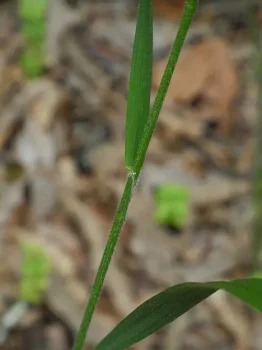
Nottoway Valley Brome: A Hidden Gem for Native Plant Enthusiasts
If you’re looking to add some authentic North American character to your garden, meet Nottoway Valley brome (Bromus nottowayanus) – a graceful native grass that’s been quietly beautifying our landscapes for centuries. This perennial beauty might not be the showiest plant in your garden center, but it’s got character, resilience, and a fascinating story to tell.
What Makes Nottoway Valley Brome Special?
Nottoway Valley brome is a true native North American grass, naturally occurring across a impressive range that spans from southern Canada down through much of the eastern and central United States. You’ll find this adaptable species growing wild in states from Alabama to Ontario, and from New York to Texas – that’s quite a geographical range for any plant!
This perennial grass brings a delicate, naturalistic charm to gardens with its narrow leaves and open, airy seed heads that dance beautifully in the breeze. It’s the kind of plant that adds movement and texture without demanding center stage – perfect for gardeners who appreciate subtle beauty.
- Species observed
- No observations
Where Does It Fit in Your Garden?
Nottoway Valley brome shines in naturalistic settings where you want to recreate the feel of native grasslands and prairies. It’s particularly well-suited for:
- Native plant gardens and prairie restorations
- Wildlife-friendly landscapes
- Naturalized areas where you want low-maintenance groundcover
- Transitional spaces between formal garden areas and wild spaces
This grass tends to prefer partially shaded to sunny locations and has a facultative upland wetland status, meaning it usually grows in non-wetland areas but can tolerate some moisture. This flexibility makes it a great choice for those tricky spots in your yard that aren’t quite wet but aren’t bone dry either.
Growing Nottoway Valley Brome Successfully
One of the best things about this native grass is its relatively low-maintenance nature once established. It’s hardy in USDA zones 3-8, making it suitable for much of the continental United States.
Planting Conditions:
- Light: Partial shade to full sun
- Soil: Adaptable to various soil types
- Water: Moderate moisture tolerance
- Maintenance: Low once established
As a perennial, this grass will come back year after year, gradually establishing itself and potentially self-seeding in appropriate conditions. This makes it an excellent choice for gardeners who prefer plants that become more beautiful with time rather than requiring constant attention.
Important Considerations Before Planting
Here’s where things get important: Nottoway Valley brome has a rarity status of S2 in Arkansas, meaning it’s considered imperiled in that state. If you’re interested in growing this native beauty, it’s crucial to source your plants or seeds responsibly.
Responsible sourcing means:
- Purchasing from reputable native plant nurseries
- Never collecting from wild populations
- Choosing locally-sourced genetic material when possible
- Supporting conservation efforts for native grass species
Wildlife and Ecological Benefits
While Nottoway Valley brome is wind-pollinated and doesn’t directly attract pollinators like flowers do, it plays important ecological roles. Native grasses like this one provide habitat structure for small wildlife, contribute to soil health, and help maintain the genetic diversity of our native plant communities.
As part of a diverse native plant garden, it can serve as a foundational species that supports the overall ecosystem you’re creating in your yard.
The Bottom Line
Nottoway Valley brome might not be the flashiest choice for your garden, but it’s a wonderful option for gardeners who want to incorporate authentic native species into their landscapes. Its adaptability, low maintenance requirements, and graceful appearance make it a valuable addition to naturalistic gardens.
Just remember to source it responsibly – this native beauty deserves our respect and protection. When grown thoughtfully, Nottoway Valley brome can help you create a garden that’s not just beautiful, but also connected to the natural heritage of North America.