Nuttall’s Crinklemat: A Tiny Native Groundcover with Big Water-Wise Appeal
If you’re looking for a low-maintenance native groundcover that thrives in dry conditions, Nuttall’s crinklemat (Tiquilia nuttallii) might just be the unsung hero your garden needs. This humble little annual may not win any beauty contests, but it’s got some serious staying power when it comes to water-wise gardening.
What is Nuttall’s Crinklemat?
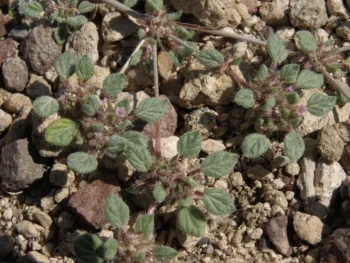
Nuttall’s crinklemat is a native annual forb that forms low, spreading mats across the ground. As a forb, it’s an herbaceous plant without woody stems, meaning it dies back each year and regrows from seed. The plant gets its common name from its distinctively crinkled, hairy leaves that give it a textured appearance even when not in bloom.
Also known by its botanical name Tiquilia nuttallii (formerly classified as Coldenia nuttallii), this plant belongs to the borage family and produces tiny white to pale blue flowers that may be small individually but create a delicate carpet effect when viewed collectively.
Where Does It Grow Naturally?
This tough little native calls the western United States home, naturally occurring across Arizona, California, Colorado, Idaho, Missouri, Nevada, Oregon, Utah, Washington, and Wyoming. It’s particularly well-adapted to the arid and semi-arid regions of the American West, where it has evolved to handle challenging growing conditions that would stress out many other plants.
- Species observed
- No observations
Why Consider Nuttall’s Crinklemat for Your Garden?
While it may not be the showiest plant in the garden center, Nuttall’s crinklemat offers several compelling reasons to give it a try:
- Water-wise champion: Once established, it requires minimal irrigation, making it perfect for drought-prone areas
- Native plant benefits: Supports local ecosystems and provides habitat for native wildlife
- Low maintenance: As an annual, it self-seeds and requires little ongoing care
- Pollinator friendly: Small flowers attract tiny native bees and other beneficial insects
- Erosion control: Its mat-forming habit helps stabilize soil on slopes or disturbed areas
Perfect Garden Settings
Nuttall’s crinklemat shines in specific garden situations where other plants might struggle:
- Xeriscape gardens: Ideal for water-conserving landscape designs
- Rock gardens: Fills in crevices and provides soft texture among hard surfaces
- Naturalized areas: Perfect for wildflower meadows or restoration projects
- Desert gardens: Complements other drought-adapted native plants
- Challenging spots: Great for areas with poor soil or limited water access
Growing Conditions and Care
The beauty of Nuttall’s crinklemat lies in its simplicity. This plant prefers:
- Full sun exposure: Thrives in bright, direct sunlight
- Well-draining soil: Sandy or gravelly soils work best
- Minimal water: Drought tolerant once established
- USDA Hardiness Zones 4-9: Adaptable to a wide range of climates
Regarding moisture preferences, this plant is definitely an upland species. In most western regions, it almost never occurs in wetlands, preferring drier sites. Only in some eastern mountain areas might you occasionally find it in slightly wetter conditions, but it’s still much happier on the dry side.
Planting and Care Tips
Getting Nuttall’s crinklemat established in your garden is refreshingly straightforward:
- Direct seeding: Sow seeds in fall or early spring directly where you want them to grow
- Soil prep: Ensure good drainage; add sand or gravel to heavy soils if needed
- Spacing: Seeds are tiny, so scatter lightly and let nature do the spacing
- Watering: Provide occasional water during germination, then reduce significantly
- Maintenance: Minimal care required; allow plants to self-seed for next year’s crop
Setting Realistic Expectations
Let’s be honest – Nuttall’s crinklemat isn’t going to be the star of your garden show. Its flowers are tiny, and the overall plant has a somewhat weedy appearance that some gardeners might find less than thrilling. However, if you’re looking for a reliable, water-wise groundcover that supports native wildlife and fills in challenging spaces, this little plant delivers where it counts.
Think of it as the reliable friend in your garden community – not flashy, but always there when you need it, asking for very little in return.
The Bottom Line
Nuttall’s crinklemat is an excellent choice for gardeners who prioritize water conservation, native plant gardening, and low-maintenance landscapes. While it may not win any beauty awards, its drought tolerance, wildlife benefits, and ability to thrive in challenging conditions make it a valuable addition to the right garden settings. Give this humble native a try in your xeriscape or naturalized areas – you might be surprised by how much you appreciate its quiet resilience.