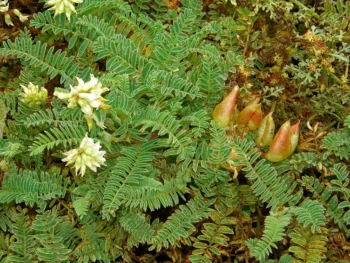
Nuttall’s Milkvetch: A Charming California Native for Your Garden
Looking for a delightful native plant to add some purple pizzazz to your California garden? Meet Nuttall’s milkvetch (Astragalus nuttallii var. nuttallii), a charming perennial that’s been quietly beautifying the Golden State’s landscapes long before any of us arrived on the scene.
What Makes Nuttall’s Milkvetch Special?
This lovely native perennial is a true Californian, calling only the Golden State home within the lower 48 states. While it might not be the showiest plant in your garden, Nuttall’s milkvetch has a subtle beauty that grows on you – quite literally! Its delicate purple to violet pea-like flowers bloom in spring, creating soft splashes of color against silvery-green compound leaves that have an almost ethereal quality.
What really sets this plant apart is its authentic California heritage. As a native species, it’s perfectly adapted to local conditions and plays an important role in supporting native ecosystems.
- Species observed
- No observations
Garden Design Ideas
Nuttall’s milkvetch works beautifully in several garden settings:
- Native plant gardens where authenticity matters
- Drought-tolerant landscapes that need to conserve water
- Wildflower meadows for a naturalistic look
- Ground cover areas that need low-maintenance options
Its modest size and spreading habit make it perfect for filling in gaps between larger shrubs or creating drifts of soft color in informal plantings.
Growing Conditions and Care
One of the best things about choosing native plants like Nuttall’s milkvetch is that they’re already programmed to thrive in your local climate. Here’s what this California native prefers:
- Sunlight: Full sun to partial shade
- Soil: Well-draining soils (it really doesn’t like wet feet!)
- Water: Drought tolerant once established, minimal summer water needed
- Climate: Thrives in USDA hardiness zones 8-10
Planting and Care Tips
Getting Nuttall’s milkvetch established in your garden is relatively straightforward:
- Plant in spring when soil temperatures are warming up
- Ensure excellent drainage – amend heavy clay soils if necessary
- Water regularly during the first growing season to help establish roots
- Once established, reduce watering significantly – this plant actually prefers drier conditions
- Allow it to self-seed if you want it to naturalize in your garden
Supporting Pollinators and Wildlife
Like many members of the pea family, Nuttall’s milkvetch is a friend to pollinators. Its flowers attract native bees and other beneficial insects, making it a valuable addition to any pollinator-friendly garden. By choosing native plants like this one, you’re helping to support the intricate web of relationships that make California’s ecosystems so special.
A Word About Conservation
Here’s something important to know: Nuttall’s milkvetch has a conservation status that suggests it may be somewhat rare or vulnerable in the wild. If you’re interested in adding this plant to your garden, make sure to source it responsibly from reputable native plant nurseries that propagate their own stock rather than collecting from wild populations.
Is Nuttall’s Milkvetch Right for Your Garden?
This native beauty is perfect if you’re looking to:
- Create an authentic California native garden
- Support local pollinators and wildlife
- Reduce water usage in your landscape
- Add subtle, natural beauty rather than flashy color
- Grow something truly special and locally significant
While Nuttall’s milkvetch might not be the loudest voice in your garden choir, it’s definitely a harmonious note that adds authenticity and ecological value to any California native plant collection. Plus, there’s something deeply satisfying about growing a plant that’s been calling your region home for thousands of years!