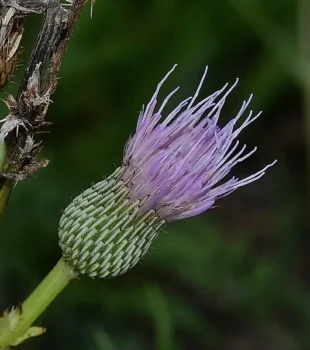
Nuttall’s Thistle: A Rare Native Gem for Southeastern Gardens
If you’re looking to add a touch of wild beauty to your southeastern garden while supporting local ecosystems, Nuttall’s thistle might just be the native wildflower you’ve been searching for. This perennial forb brings both ecological value and natural charm to the landscape, though its rarity makes it a particularly special addition worth treating with care.
Getting to Know Nuttall’s Thistle
Scientifically known as Cirsium nuttallii, this native thistle goes by the common name Nuttall’s thistle. Like other members of the thistle family, it’s a perennial forb—essentially a non-woody flowering plant that comes back year after year. You might occasionally see it referenced by its synonym, Carduus nuttallii, in older botanical literature.
Where You’ll Find This Native Beauty
Nuttall’s thistle is a true southeastern native, calling home to seven states across the region: Alabama, Florida, Georgia, Louisiana, Mississippi, South Carolina, and Virginia. This geographic distribution places it squarely in the Atlantic and Gulf Coastal Plain, where it has adapted to the unique growing conditions of this bioregion.
- Species observed
- No observations
A Word About Rarity
Here’s something important to know: Nuttall’s thistle isn’t your everyday garden center find. This species carries rarity designations that make it quite special. In Alabama, it holds an S1 status, meaning it’s critically imperiled with very few occurrences. Arkansas lists it as S2?, indicating it’s imperiled with limited occurrences, though there’s some uncertainty about this classification.
What this means for gardeners: If you’re lucky enough to find Nuttall’s thistle for your garden, make sure you’re sourcing it responsibly from reputable native plant nurseries or seed suppliers who can verify the plant’s origin. Never collect from wild populations.
Garden Appeal and Landscape Role
Don’t let the word thistle scare you away—Nuttall’s thistle brings genuine beauty to the garden. Like its thistle relatives, it produces attractive purple flowers that create lovely splashes of color in naturalized settings. The spiny foliage adds texture and structure to wildflower gardens and meadow plantings.
This native works wonderfully in:
- Native plant gardens focused on southeastern species
- Pollinator gardens and butterfly habitats
- Meadow and prairie restoration projects
- Rain gardens and bioswales
- Naturalized landscape areas
Growing Conditions and Care
One of the nice things about Nuttall’s thistle is its adaptable nature when it comes to moisture. This plant has a facultative wetland status across multiple regions, meaning it’s equally happy in wet spots and regular garden conditions. Whether you have a soggy corner of the yard or well-drained soil, this flexible native can likely adapt.
For best results, provide:
- Full sun to partial shade
- Moist to wet soils (though it tolerates average garden conditions)
- USDA hardiness zones 8-10 (matching its native southeastern range)
- Space for natural self-seeding if desired
Planting and Care Tips
Like many native plants, Nuttall’s thistle is relatively low-maintenance once established. As a perennial, it will return each year, gradually building a stronger root system and potentially self-seeding to create natural colonies.
Keep these care tips in mind:
- Water regularly during the first growing season to help establish roots
- Allow the plant to go to seed if you want natural spreading
- Deadhead spent flowers if you prefer to control self-seeding
- Minimal fertilization needed—native plants typically thrive in average soils
Supporting Pollinators and Wildlife
Here’s where Nuttall’s thistle really shines: its value to local wildlife. The nectar-rich purple flowers attract a variety of pollinators, including native bees and butterflies. By growing this native species, you’re providing food sources that co-evolved with local wildlife populations, creating a more authentic and supportive ecosystem in your garden.
The Bottom Line
Nuttall’s thistle represents something special in the native plant world—a rare southeastern species that offers both garden appeal and ecological benefits. While its rarity means you’ll need to be thoughtful about sourcing, gardeners in zones 8-10 within its native range have an opportunity to grow something truly unique while supporting local biodiversity.
Just remember: with great rarity comes great responsibility. If you choose to grow Nuttall’s thistle, source it ethically and treat it as the precious native treasure it truly is. Your garden—and local wildlife—will thank you for it.