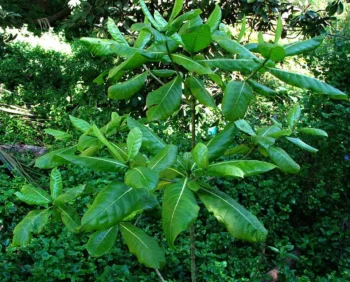
The Oahu Gardenia: A Fragrant Hawaiian Treasure on the Brink
If you’re drawn to the intoxicating fragrance of gardenias and have a passion for Hawaiian native plants, the Oahu gardenia (Gardenia mannii) might catch your attention. But before you start planning where to plant one, there’s something crucial you need to know about this remarkable native Hawaiian tree.
What Makes the Oahu Gardenia Special?
The Oahu gardenia is a stunning native Hawaiian tree that can grow 13 to 16 feet tall or more, producing glossy green leaves and those classic white, intensely fragrant gardenia flowers that have made this plant family famous worldwide. As a perennial woody plant, it develops a single trunk and creates an elegant presence in the landscape.
This tree is endemic to Hawaii, meaning it exists nowhere else on Earth naturally. It’s specifically native to the island of Oahu, where it has evolved alongside the island’s unique ecosystem for thousands of years.
- Species observed
- No observations
A Critical Conservation Concern
Here’s where things get serious: the Oahu gardenia is critically endangered. With a Global Conservation Status of S1 (Critically Imperiled) and listed as Endangered in the United States, this magnificent tree is hanging on by a thread. Typically, this status means there are only 5 or fewer occurrences in the wild, or fewer than 1,000 individual plants remaining.
If you’re considering planting an Oahu gardenia, please only do so with responsibly sourced material from reputable native plant nurseries or conservation programs. Never collect plants or seeds from wild populations.
Why Grow This Rare Beauty?
Despite its precarious status—or perhaps because of it—there are compelling reasons to include the Oahu gardenia in appropriate landscapes:
- Conservation impact: Growing responsibly sourced plants helps preserve genetic diversity
- Cultural significance: Supports Hawaiian native plant heritage
- Fragrance: Provides the classic gardenia scent that’s absolutely divine
- Pollinator support: Attracts native Hawaiian moths and other native pollinators
- Landscape beauty: Creates a stunning specimen tree with year-round appeal
Growing Conditions and Care
The Oahu gardenia thrives in tropical conditions and is only suitable for USDA hardiness zones 10-11. If you live outside of Hawaii or similar tropical climates, this plant won’t survive outdoors year-round.
Ideal Growing Conditions:
- Tropical climate with consistent warmth
- Well-draining soil
- Partial shade to full sun exposure
- Protection from strong winds
- Consistent moisture without waterlogging
Planting and Care Tips
If you’re fortunate enough to obtain a responsibly sourced Oahu gardenia, here’s how to give it the best care:
- Plant in a location protected from harsh winds that could damage the tree
- Ensure excellent drainage while maintaining consistent soil moisture
- Provide some protection during the establishment period
- Be patient—like many native Hawaiian plants, it may grow slowly initially
- Avoid fertilizers high in phosphorus, as many Hawaiian natives are adapted to low-phosphorus soils
The Bottom Line
The Oahu gardenia represents both the incredible beauty of Hawaiian native plants and the urgent need for their conservation. While its critically endangered status means you should approach growing this plant with extra responsibility, doing so with properly sourced material contributes to conservation efforts.
If you’re passionate about Hawaiian natives and live in an appropriate climate, consider reaching out to Hawaiian native plant societies or conservation organizations to learn about responsible ways to grow this fragrant treasure. Every successfully grown Oahu gardenia in cultivation is a small victory against extinction.
Remember: the goal isn’t just to have a beautiful, fragrant tree in your landscape—it’s to be part of preserving a piece of Hawaii’s irreplaceable natural heritage for future generations.