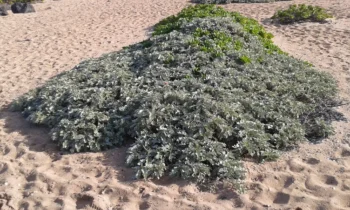
Oahu Riverhemp: A Rare Hawaiian Native Worth Protecting in Your Garden
Meet Oahu riverhemp (Sesbania tomentosa), one of Hawaii’s most precious native plants that deserves a special place in conservation-minded gardens. This charming shrub isn’t just another pretty face in the plant world – it’s a botanical treasure that’s fighting for survival and could use your help.
What Makes Oahu Riverhemp Special?
Also known simply as Hawaiian riverhemp, this perennial shrub brings a touch of authentic island beauty to any garden. Standing typically around 2 feet tall at maturity, it’s perfectly sized for most landscape applications without overwhelming smaller spaces. The plant showcases delicate compound leaves with fine texture and produces eye-catching red to orange pea-like flowers that bloom year-round – talk about reliable color!
As a member of the legume family, Oahu riverhemp has the superpower of nitrogen fixation, meaning it actually improves soil fertility as it grows. It’s like having a natural fertilizer factory right in your garden.
Where Does It Call Home?
This endemic Hawaiian species originally thrived across the Hawaiian Islands, particularly in coastal areas and dry to mesic forests. Today, you’ll find it naturally occurring in Hawaii, though it has also been introduced to Puerto Rico where it grows in the wild.
- Species observed
- No observations
A Plant in Need: Conservation Status
Here’s where things get serious – Oahu riverhemp is currently listed as Endangered with a Global Conservation Status of S2 (Imperiled). This means there are typically only 6 to 20 known occurrences or between 1,000 to 3,000 remaining individuals. By growing this plant, you’re not just adding beauty to your garden; you’re participating in conservation efforts!
Important: If you’re interested in growing Oahu riverhemp, please only obtain plants from reputable native plant nurseries or conservation programs that use responsibly sourced material. Never collect from wild populations.
Garden Design and Landscape Role
Oahu riverhemp shines in several garden applications:
- Native Hawaiian gardens and cultural landscapes
- Coastal gardens where salt tolerance is needed
- Xeriscaping and drought-tolerant landscapes
- Restoration projects and conservation gardens
- Specimen planting for its unique flowers and form
- Erosion control on slopes thanks to its root system
The plant’s prostrate, single-stem growth form and fine-textured foliage create an interesting contrast when paired with broader-leaved tropical plants. Its moderate foliage porosity provides filtered shade while maintaining an airy appearance.
Growing Conditions and Care
Good news for busy gardeners – Oahu riverhemp is relatively low-maintenance once established! Here’s what it needs to thrive:
Climate Requirements:
- USDA Hardiness Zones 10-12 only (requires minimum 50°F temperatures)
- Needs 365 frost-free days annually
- Thrives in areas receiving 20-40 inches of annual precipitation
Soil Preferences:
- Adapts well to coarse and medium-textured soils
- Prefers well-draining conditions (avoid heavy clay)
- pH range: 6.0-8.0
- High tolerance for calcium carbonate and saline conditions
Light and Water:
- Full sun to intermediate shade tolerance
- High drought tolerance once established
- Medium moisture requirements during establishment
- Medium fertility needs
Planting and Propagation
Oahu riverhemp can be propagated through bare root or container plants, and it’s routinely available through specialized native plant sources. The plant produces seeds year-round with medium abundance, though seedling vigor is moderate.
When planting, space plants 400-1,600 per acre depending on your desired density. The root system needs at least 18 inches of soil depth, so ensure adequate soil preparation in shallow areas.
Wildlife and Pollinator Benefits
While specific wildlife benefits aren’t extensively documented, as a native Hawaiian plant, Oahu riverhemp likely provides important habitat and food sources for native insects and birds. Its flowers attract pollinators, and its nitrogen-fixing ability benefits the entire ecosystem around it.
The Bottom Line
Should you grow Oahu riverhemp? Absolutely – if you live in the right climate zone and can source it responsibly. This remarkable native plant offers year-round blooms, requires minimal care, improves soil health, and helps preserve Hawaii’s botanical heritage. Just remember that every plant in your garden represents hope for this endangered species’ future.
By choosing native plants like Oahu riverhemp, you’re creating habitat, supporting local ecosystems, and becoming part of the conservation solution. Now that’s what we call gardening with purpose!