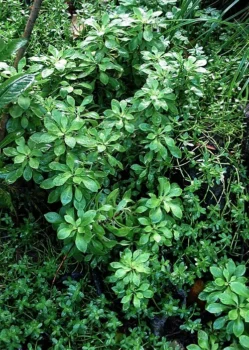
Oahu Schiedea: A Critically Endangered Hawaiian Treasure
Meet Oahu schiedea (Schiedea kaalae), one of Hawaii’s most precious and imperiled native plants. This rare endemic shrub represents both the incredible biodiversity of the Hawaiian Islands and the urgent conservation challenges facing native Hawaiian flora today.
What Makes Oahu Schiedea Special?
Oahu schiedea is a perennial shrub that typically grows as a multi-stemmed woody plant, usually reaching less than 13-16 feet in height. This endemic Hawaiian species belongs to the carnation family and produces small, delicate flowers that add to its understated beauty. Like many Hawaiian natives, it has adapted to very specific environmental conditions found only in its native habitat.
Where Does It Come From?
This remarkable plant is endemic to Hawaii, meaning it exists naturally nowhere else on Earth. Specifically, Oahu schiedea is found only on the island of Oahu, primarily in the Waianae Mountains. Its entire natural range is extremely limited, which contributes significantly to its endangered status.
- Species observed
- No observations
A Plant in Crisis: Understanding Its Rarity
Here’s the critical information every plant enthusiast needs to know: Oahu schiedea has a Global Conservation Status of S1, meaning it’s critically imperiled. In the United States, it’s officially listed as Endangered. This classification indicates that typically only 5 or fewer populations exist, with very few remaining individuals (fewer than 1,000 plants total).
This extreme rarity means that Oahu schiedea faces an exceptionally high risk of extinction due to various factors including:
- Habitat loss and degradation
- Competition from invasive species
- Limited genetic diversity
- Climate change impacts
- Human disturbance
Should You Grow Oahu Schiedea?
The short answer is: probably not, and here’s why. Due to its critically endangered status, Oahu schiedea should only be cultivated by:
- Licensed conservation organizations
- Botanical gardens with conservation programs
- Researchers with proper permits
- Certified native plant nurseries participating in recovery efforts
If you’re interested in supporting this species, consider donating to Hawaiian plant conservation organizations or visiting botanical gardens that maintain conservation collections.
Growing Conditions and Care
For educational purposes, Oahu schiedea naturally thrives in:
- USDA Hardiness Zones 10-11 (Hawaii’s tropical climate)
- Dry to mesic forest environments
- Rocky slopes and specialized soil conditions
- Specific elevation ranges in mountainous terrain
- Areas with particular moisture and light requirements
The specialized growing requirements make this plant extremely challenging to cultivate, even for experienced gardeners familiar with Hawaiian natives.
Supporting Hawaiian Native Plants
If you’re passionate about Hawaiian native plants and want to create a native garden, consider these alternatives that are less critically endangered:
- Other Schiedea species that are more stable
- Native Hawaiian shrubs available through reputable native plant nurseries
- Participating in habitat restoration projects
- Supporting conservation organizations working to protect rare species
The Bigger Picture
Oahu schiedea represents the incredible uniqueness of Hawaiian ecosystems and the urgent need for conservation action. While most gardeners won’t be growing this particular species, learning about it helps us appreciate the importance of protecting native plants and their habitats.
By understanding plants like Oahu schiedea, we become better stewards of our natural world and more thoughtful about the plant choices we make in our own gardens. Every native plant we choose over an invasive species, every conservation organization we support, and every person we educate about rare plants contributes to protecting species like this remarkable Hawaiian endemic.
Sometimes the most important plants are the ones we admire from afar while working to ensure they survive for future generations to discover and appreciate.